
What Day Programmes Look Like at a Maths Bootcamp
During the summer, many students find it hard to strike a balance between rest and keeping their minds active. That is where a maths bootcamp in Aylesbury can be a useful part of the holiday. These programmes help students refresh their knowledge, ease into tougher subjects, and build confidence. They do this not through long days of silent revision, but with well-paced schedules, structured goals, and room to stop and think. Knowing what to expect from a typical day helps both students and parents feel more settled. A strong routine can create real progress without turning summer into school all over again.
Bootcamps work best when the environment is calm and the purpose is clear. We keep things moving with a pace that is steady but not rushed. Each part of the day builds from the last. From the moment students arrive, they know what to aim for and where they are headed. We have seen how a guided, consistent structure can help students make sense of topics that felt fuzzy before.
Getting Started Each Morning
The day usually begins with a simple check-in, giving time to settle. Students chat briefly about the previous day or share how they are feeling. Then we start with warm-up problems, often linked to earlier lessons. This helps reset their thinking and wake up the maths side of their brains without pressure.
This first hour is gentle but focused. The problems are challenging enough to spark thought, but not so tough that they throw anyone off. Tutors move around checking in, offering quick prompts or quiet reassurance. By the time the main lesson begins, most students are already switched on and ready to continue.
At Elite Tutelage, our maths bootcamps are designed for small groups with clear goals each day, so every student gets personalised attention while settling in during the morning routines.
Focus Sessions Before Lunch
Mid-morning lessons are the heart of the day. These sessions tackle the major topics through guided teaching and active problem-solving. Depending on the group and the day, we might explore algebra questions, work through a statistics topic, or break down mechanics problems step by step.
Lessons often follow a workshop-styled format. We teach for a short stretch, then let students try different types of questions with support nearby. What made no sense before can start to land when explained clearly, with space to test it out. These sessions feel concentrated, but they are built to help things click, not just cram more in.
Topics often rotate based on student needs and recent school-year challenges.
Lessons focus more on understanding the method than rushing to finish every question.
Students are encouraged to talk through their ideas, not just write answers silently.
We blend exam board-specific questions and everyday techniques, ensuring students can practise for the papers they will face while also developing flexible thinking.
Afternoons Built for Retention
After lunch, the tone naturally shifts. These sessions are quieter, more reflective. We often use this time for revision or applying topics to more exam-based tasks. Students might work through a past paper question in pairs or take part in focused group tasks.
Tutors do not just stand at the front. We walk around, watch how students approach problems, and spot any areas where they are stuck. It is easier to catch mistakes or misunderstandings in the moment. And because students are working with others, they often hear explanations in new ways that make more sense to them.
Tasks are targeted to make sure previously taught content stays active in memory.
The goal is to practise without burning out, and to keep things steady rather than rushed.
Quiet effort is balanced with light guidance so no one gets lost along the way.
Mixing In Breaks, Rest and Checkpoints
We plan downtime into the day on purpose. Short breaks after each session give students time to breathe, have a snack, or stretch. Rest is part of learning, especially with subjects that can feel dense at times. These pauses help keep energy up and reduce the drop-off that can happen with long stretches of focus.
Sometimes we run short brain games or low-key challenges that let students think in different ways. It could be a number riddle, a teamwork puzzle, or a timed quiz that adds a bit of friendly competition. These mini tasks feel fun, but they quietly build logic and problem-solving skills too.
Progress is not only marked by tests. We spend time checking in with students through the day and adjust the plan based on how things are going. If something feels off or too easy, we change course so that sessions stay useful.
Ending the Day With Confidence
The last part of the day is quieter, with a slower pace that helps students wind down. We go back over the main points, work through one or two problems, and give space for any questions that have lingered. There is often a preview of tomorrow’s lesson so students know where we are headed next without feeling overwhelmed.
We like to pause here and ask students to name one thing they feel clearer about. Sometimes it is a topic, sometimes it is just that they felt less nervous today. Either way, those wins matter. They give shape to the day’s work and remind everyone that growth does not always happen in big leaps. It happens when we show up, try, and track what has improved.
This last stretch might be the most relaxed slot, but it plays an important role. Students leave not with their heads full of half-finished ideas, but with a sense that progress is being made, bit by bit, day by day.
Why Structure Sets Students Up to Succeed
The real value of bootcamp learning is not just in the content. It is in how we pace and present it. A good set-up encourages the kind of thinking that builds memory and understanding. Students are not pushed through rushed material. They are guided to think clearly, practise regularly, and settle into steady effort.
That rhythm, morning focus, mid-day instruction, afternoon practice, helps remove stress. It gives students a plan, and something strong to return to after each break or weekend. A maths bootcamp in Aylesbury is not just about cramming before term starts. It is a way to step into the next school year with more calm, and more confidence that the foundations are all in place. The summer may be quieter, but it can still be productive with the right support.
Thinking about how to help your child stay focused this summer? Enrolling in a maths bootcamp in Aylesbury can make a real difference, helping students build skills and confidence without feeling rushed or overwhelmed. At Elite Tutelage, we design our days to keep learning steady, engaging and enjoyable, ensuring a smoother return to school in September. Every session is aimed at making tough topics clearer and supporting students’ progress. To discuss what might suit your situation, please get in touch with us.

Organising a Maths Crash Course in Aylesbury for July
July feels like a bit of a breather. Exams are done, school is easing off, and most families in Aylesbury are settling into a calmer pace. But that space before September can be useful, especially for students who want to feel more confident in maths. A maths crash course in Aylesbury gives students a chance to focus on the bits that did not fully click earlier in the year or to get ahead before content becomes heavier again in the autumn.
The trick is working around summer rhythms. Between family plans, holidays, and a general need for rest, any kind of learning has to feel manageable. A crash course can help, so long as it is built to suit how a student learns best. For some, that means brushing up on weak topics. For others, it might be about keeping momentum going during a quiet stretch. With the right plan, summer maths does not have to feel like extra school. It can be more like building a stronger base before things pick up again.
Picking the Best Time and Format for July Learning
Every family’s summer looks a little different. Some take time off for travel, others juggle sports, clubs, or work shifts. That is why we always look at the calendar first before setting lesson dates. If learning gets squeezed in between a full plate of activities, not much sticks. It is usually best to build the course around what already exists, not the other way around.
Daily intensive sessions suit those with short holiday windows or who prefer to cover content quickly with focused bursts.
Weekly sessions help if a student needs more time between lessons to think and practise.
Some students do better with a mix, starting weekly in early July and switching to daily towards the end, depending on plans.
Elite Tutelage offers both in-person and online crash course lessons, allowing families to maintain lessons during travel or fit around local activities.
Then there is the setting. In-person sessions can add a layer of calm and accountability. But if families are away, online lessons mean the learning does not need to pause completely. We often help students design a plan that shifts between formats based on travel or home availability. What matters more than where it happens is that there is consistency over a few weeks.
Setting Learning Goals for Summer Maths
Once the schedule is settled, the next step is working out what the student wants to learn, or feels shaky about. Maths builds steadily each year, so gaps left unfilled can cause more issues down the line. And some students simply want to feel better prepared before new material appears in September.
For those who struggled earlier this year, catch-up goals usually focus on key topics that account for confusion, like algebra or fractions.
For students who are aiming higher or preparing for exams, reviewing trickier GCSE or A level material gives them a head start.
Still others benefit from previewing new concepts without pressure, especially if they tend to take longer to grasp unfamiliar topics.
Our crash courses use exam board-aligned resources, so revision matches what Aylesbury students will see in the autumn term.
What often helps is building in short-term wins that encourage students to keep going. That could be finally getting through a topic that once made no sense or being able to solve a problem they normally skipped. These moments build confidence, and confidence leads to deeper focus during lessons.
Some students can feel nervous about maths, especially if past lessons moved too fast or felt confusing. By identifying which themes to revisit, it becomes easier to design sessions that make sense and build up gradually. Learning at a steady pace throughout the holidays prevents knowledge from getting rusty, giving students a helpful review before they face new challenges at school.
Planning Each Session for Maximum Focus and Retention
No one concentrates well for hours at a time, particularly not during the summer. Planning smartly means working with what most students can realistically manage. Too much in one sitting leads to frustration. But too little makes progress slow and often forgotten.
One-hour sessions tend to be best, especially when paired with a clear focus like solving exam-style problems or reviewing a single concept.
Each lesson might include 10 to 15 minutes of warm-up review, followed by topic coaching, a short break, and then some guided practice.
Bringing in real-life connections makes harder maths less abstract. We often link ratio or percentages to things kids encounter every day, like recipes, sports stats, or shopping discounts.
By cycling through methods, talking, solving, checking, we help information stick. And when students realise that maths is not some distant thing unrelated to them, they often relax and ask more questions.
Sticking to short, consistent lessons through July means students feel less pressure and absorb more. An organised session, beginning with a recap, followed by interactive practice and ending with a review, breaks up trickier topics. These sequences build strong study habits for the long term.
Working with Tutors for Personalised Support
One of the bigger benefits of a structured crash course is that the learning does not need to be one-size-fits-all. As students work through summer, their needs shift. Maybe they improve quicker than expected in one area or suddenly remember an old gap from last term.
Tutors adjust the plan based on progress. If a student shows strength in one area, we might spend less time there and refocus energy somewhere else.
Some students arrive in July with a clear list of problem topics. Others need a session or two to reveal what is really holding them back.
Learning in a quiet, focused setting lets students take their time. Summer is not about moving fast, but rather about building real understanding.
That steady pace, combined with the comfort of a smaller learning space, creates room for questions. It is okay not to know something right away. It is okay to ask. That shift can make all the difference by the time September rolls around.
Working with a tutor who pays attention to how a student learns best means the plan can shift as needed. Some find they gain ground faster than expected and are keen to cover extra material, while others benefit from working on similar examples until they feel secure. The flexibility helps students grow their confidence naturally.
Set for September: Why a July Course Makes a Difference
Maths is not something most students want to think about in July. But we have seen how even just a few lessons in summer can change how a student feels walking into a new term. They are less panicked by the thought of a test. Less lost when a concept is mentioned. They have groundwork to fall back on.
A regular study rhythm over the summer helps students stay sharp. Skills stay fresher when they are used, even lightly.
Knowing what to expect in the new school year reduces fear. That early familiarity creates more space for confidence once terms get busy again.
By choosing a maths crash course in Aylesbury that fits the student’s schedule and needs, families give their children more than problem-solving tools. They give them a calmer start and a stronger mindset for what comes next. July does not have to be packed with schoolwork, but a little consistent effort now can shift how the rest of the year feels. And that can make a much bigger difference than cramming in autumn.
Getting ready in summer is not about piling on more work, but about building routines and mindsets that last. If a student picks up just a few strategies or meets a supportive tutor who boosts their self-belief, the benefits stretch into every lesson once school is back in session. Approaching maths this way builds steady confidence, not just for September, but for all the terms that follow.
Summer is a great time to give your child a boost in maths before September. Our sessions at Elite Tutelage support each student’s individual learning style, whether they need to revisit previous challenges or move ahead to new topics. A well-timed maths crash course in Aylesbury helps make the back-to-school transition smoother, as we keep our lessons focused yet relaxed to build confidence without added pressure. Get in touch with us to plan a summer schedule that works for you.

When to Use A Level Tutors Before Summer Exams
As summer draws nearer, the pressure of A Level exams begins to build. It is a time when many students in Year 12 or 13 start to feel the weight of revision, coursework, and what is next after school. Some stay on track, others slow down or feel unsure. That is where getting support can make all the difference.
Working with A Level tutors can smooth out the bumps. Whether it is building confidence in harder topics or creating a more steady pace, tutoring before summer exams is about much more than last-minute help. It is about knowing when to start so there is still time to gain traction without panic. That timing, when things start to feel both urgent and overwhelming, is often what shapes success the most.
When Is the Right Time to Start?
Not every student starts revision at the same time, but the rhythm of spring usually follows a pattern. By March, most teachers begin reviewing key topics. By April, mock exams are finished or underway. By early June, exam season is fully in swing.
Starting with tutoring in March or early April gives the most space. It gives time to look back on tricky subjects without rushing. If things are left too late, say, right before the May or June papers, there may be little room to go deeper than just surface review.
We have noticed that early tutoring helps students:
Spread their revision load across more weeks
Identify which topics need more work before exams begin
Practise with feedback before it feels like the deadline is right here
At Elite Tutelage, our A Level tutors work with the main exam boards in Aylesbury schools, including AQA, OCR, and Edexcel, so the revision is always in line with local requirements
The longer the student has before the first exam, the more relaxed each revision session can be. That does not mean revision goes slow. Instead, it is steady and focused, not squeezed into one busy weekend or last-minute sprint.
Spotting Gaps Before They Grow
One key reason to start tutoring before exams is to catch issues early. Sometimes, a student will not say they are struggling, but signs start to show. Maybe they cannot remember their formulas in Physics. Maybe Chemistry questions keep tripping them up. Or their teacher says they are fine, but their mock results tell a different story.
If a student misses the same style of questions time after time, that is something to note. Past paper mistakes, especially in Biology and Maths, often point straight to areas that feel foggy or half-learned. These gaps do not heal by accident. They need care, practise, and someone to help sort through what is missing.
We encourage students and parents to look out for these signs:
Answers that are often close but slightly off
Confusion with language in exam-style questions
Repeated low marks on paper sections linked to a certain topic
Our tutors can diagnose and address recurring gaps by walking students through feedback from real exam board past papers
When we spot these things in spring, there is still time to help. Not just review for tests, but patch up the errors so they do not return during the real thing.
Building Momentum Through May and June
By May, things start to feel very real. Classes are reviewing nonstop. Revision timetables are tight. And the days between each paper feel shorter and shorter. This is when many students stop revising broadly and start targeting certain topics.
Tutoring during this time should follow that flow. A good pace helps keep the focus narrow but productive. We want students to feel ready, not restless. That means making space for the hard parts without burning out.
Here is how we build momentum late in spring:
Tackle specific subjects each session, logging progress as we go
Focus on weaker areas first, while energy levels are higher
Use mock feedback to decide what gets priority attention
The goal is not to cover everything. It is to get sharper with what is most likely to trip them up or cause doubt. One or two good sessions a week often make a big difference in confidence and rhythm.
Balancing Revision with Emotional Load
Spring does not only bring schoolwork. It brings stress. Some students feel like they should be further along than they are. Others watch classmates obsess over revision techniques and start to feel left behind.
This is where a structured habit can help more than cramming. Weekly sessions give students small, stable points on the calendar. And someone to work with who is not a parent or teacher. That outside support can feel lighter, like going through school with a bit of extra padding around the hard parts.
Tutors do not just teach. They notice mood, energy, and body language. If a student starts off anxious, it might show right away. Maybe they over-explain everything. Or say “I do not know” before even trying to answer.
We see all that. And we adjust. That attention, quiet, steady, not loud or showy, plays a part in how well revision goes. It gives a bit more control during a season that often feels rushed.
A Stronger Entry into Exam Days
The main goal is to help students walk into exams with a clear mind and a fair shot. That starts well before the test paper lands on their desk. Planning ahead, using a steady pace, and working through tricky bits earlier in the season sets the tone.
When students work with A Level tutors before exams grow too close, they are more likely to:
Know where they stand with each subject
Have practised problem areas enough times to feel steady
Feel less shocked when they open the exam paper
That is not a promise of perfect scores. But it does mean they walk in with their feet under them. They understand their methods. They know which questions to try first. They have had space to practise without pressure crowding out thinking.
That kind of preparation does not come from doing everything at once. It comes from knowing when to begin, so things can build gradually, not all at once. Sessions before summer exams are not about re-teaching everything. They are about shaping what is already there into something strong, calm, and ready.
As exam time draws closer, it is the perfect opportunity to put steady and calm support in place for your child. We have helped many students in Aylesbury maintain focus and strengthen their understanding before assessments begin. Working with our A Level tutors offers clarity and structure to revision without adding unnecessary pressure. At Elite Tutelage, we make the process manageable so confidence grows week by week. Reach out today to get started.

Do You Need Summer Help from a Science Tutor in Aylesbury?
When school finishes for the summer, many students in Aylesbury take a well-earned break. But for some, it can also be a time when science topics start to fade. With routines out the window and lessons on pause, it is easy for things like formulas and concepts to slip. That is where summer support can help. A science tutor in Aylesbury may be just what is needed to keep those building blocks fresh.
Whether students are preparing for GCSE or A Levels, or simply want to feel more confident come September, summer is an ideal time to focus in a relaxed setting. In the next few sections, we will walk through how summer tutoring can support clearer thinking, deeper interest, and a stronger step into the next school year.
Is Summer the Right Time for Science Support?
Summer is not just a break from school, it is a shift in mindset. Without the usual bells, homework, and tight schedules, students can feel more space in their day, but they might also lose some structure. Learning science during this time can feel different, both for better and for worse.
Some topics are often harder to hold onto once school ends. Subjects like Physics equations, chemical reactions, and biology cycles are all common points of confusion. If these did not click during the Spring, or if students missed some lessons because of illness or trips, it is worth revisiting them now. Summer gives space to clean up those gaps without the pressure of tests coming up right away.
Here are a few signs that summer learning might help:
Your child seemed stressed during science lessons or rushed through exam prep
They mentioned feeling behind or not understanding certain topics
A new year group is coming, and they will face higher-level work they are worried about
There is a long gap between now and their next science class
At Elite Tutelage, our tutors offer flexible summer session options across all levels of Science, from Year 7 to A Level, to help students tackle problem areas before school resumes
Supporting a student during this time does not mean filling their calendar. Done well, it gives them space to stay sharp without the usual classroom rush.
What Summer Science Tutoring Can Look Like
One of the best parts about summer sessions is how flexible they can be. Without school hours to work around, students (and parents) often feel more at ease. That opens up room for a different kind of learning, one built around curiosity and calm pacing.
We keep days and times flexible so families can fit in sessions around holidays, camps, or other rest days
Reviews and check-ins are blended with small previews of what is coming next term
Sessions can explore science questions that do not always get class time, such as real-world applications or big-picture ideas
Both in-person and online tutoring are available, making it easier to fit science support into summer plans no matter your schedule
Learning without a test around the corner usually brings down the pressure. Students engage more freely, and we can craft sessions based on their pace instead of sticking to a rigid schedule. Whether it is 30 minutes a week or longer depending on attention and motivation, we adjust as we go.
Boosting Confidence in Science Without Exams
Without exams on the near horizon, summer offers a chance to look at science through a different lens. It becomes less about memorising facts and more about making sense of them. That change alone often helps students feel more confident.
We can slow down to revisit tricky parts in a more thoughtful way
Lessons focus on reasoning and problem-solving, instead of test formats
Students get a chance to link science to things they observe during the summer, like nature, weather, technology, or even day trips
When students realise that science connects to the world they live in, interest tends to spark. And when they approach tough topics without exam stress, it softens the mental block that sometimes comes with terms like “Physics” or “Chemistry.”
Thinking Ahead to September: Why it Pays Off
Although it feels far off, September will arrive quickly. Having even a bit of science support before then makes the shift back into school feel less abrupt. It is easier to settle in when the material sounds familiar and study habits have not vanished over summer.
We often guide students into previewing topics they will face in GCSE or A Level classes
Seeing new ideas in the summer months lets students hit the ground running in autumn
The return to school does not come with shock or rush, it feels more like picking things back up
Some students feel anxious before term starts, especially if last year’s science experience was difficult. A few sessions can take the edge off and help them feel capable and prepared, not behind.
A More Settled Start to a New Term
Summer tutoring in science offers much more than just extra study time. It gives space for old ideas to settle, new ones to grow, and habits to carry over into the months ahead. With flexible sessions, paced learning, and no looming tests, students can make quiet progress that shows up later in big ways.
By the time September comes, they are not starting from zero. They are walking back into the classroom with clearer thinking, more comfort with the material, and a bit of momentum already on their side. Summer does not last forever, but the confidence built here can go a long way.
Summer is a great time for your child to build confidence in science at their own pace. Our sessions match each learner, whether they need to review tricky topics or gently move ahead. Working with a science tutor in Aylesbury gives students the chance to get ahead before the new school year begins. At Elite Tutelage, we create a calm, supportive space where knowledge can grow. Book your summer sessions today and find an option that fits your family’s schedule.

What Makes an A Level Maths Tutor in Aylesbury Consistent
As summer approaches in Aylesbury, students preparing for A Level Maths are either revising full steam or wrapping up coursework. By June, routines are tight, stakes feel higher, and the need for steady support becomes clear. Being a consistent A Level Maths tutor in Aylesbury is not just about showing up. It is about adapting, listening, and holding focus right when students need it most.
For us, consistency is more than repetition. It is how we match mood with method, help students settle into clear learning habits, and keep progress moving even during busy exam weeks. A calm, reliable presence makes all the difference in this final stretch.
Staying Steady Through the School Year
A long school year in Aylesbury has its own rhythm. Things speed up in spring, especially in Year 13, when revision timetables and coursework deadlines collide. For a tutor, staying consistent means working with that pace, not against it.
We keep track of school calendars and plan around breaks, bank holidays, or mock exam weeks. Gaps in the schedule do not throw things off when we are already ahead of them.
Students rely on predictable tools and rhythms. Having a clear structure to sessions helps them arrive ready to focus, knowing what to expect each time.
Exam prep does not have to be a scramble. By staying steady through each term, we build up confidence before the pressure kicks in.
At Elite Tutelage, we have over 10 years of experience supporting A Level students through all major exam boards, adapting each lesson to meet current assessment requirements
That kind of grounded, week-by-week approach gives students something solid to lean on when the school day feels overloaded.
How Understanding Builds Trust
At A Level, the Maths gets tougher, but so does the student’s need to feel understood. We have found that trust builds fastest when the approach stays patient and familiar.
We bring ideas back around to make sure they have landed. Revisiting past lessons, repeating methods, and building on familiar patterns helps make learning stick.
Each student needs space to say, “I do not get it” without hesitation. When we keep calm and offer the same tone each time, students feel like they are being guided, not judged.
We watch for when it is time to move on. Pushing forward too soon can backfire, but staying too long in one place can drag motivation down. It is a fine balance, and we keep an eye on it during every step.
Our tutors offer both in-person and online sessions, so students can build steady routines that work best for their schedule and learning style
Trust is not built in one session. It happens slowly, with quiet wins and steady feedback.
Matching Pace With Each Student’s Progress
No two students move through A Level Maths in the same way. What is clear to one might feel confusing to another, even if they are in the same class. That is why pacing matters, and why we pay close attention to it.
We adjust the flow of every session based on where the student is that week. If they have struggled with a recent lesson, we press pause and work through it from the top.
Spring is full of moving parts. Coursework gets marked, final units get covered, and students often miss days for school events. We help gently fill those gaps, one concept at a time.
Some students are almost exam-ready by May, while others are still catching their breath. We take both paths seriously and shape our sessions around what will help each student stay steady.
A consistent tutor does not mean a fixed pace. It means knowing when to slow down and when to pick it back up, based on what the student actually needs.
Local Insight and Long-Term Support
Working as a tutor in Aylesbury brings a kind of familiarity that is hard to fake. We know the schools, the pace they move at, and which exam boards they usually stick with. That insight helps more than people expect.
Most Aylesbury schools follow similar timelines for mocks, coursework hand-ins, and final assessments. Being tuned into that helps us plan sessions that match real deadlines.
Some Maths topics tend to be skimmed past or rushed when lessons are tight. We have seen which ones those are and can target them directly without wasting time on material students already grasp.
After the last exam, many students are not sure what to do next. Some need help preparing for course transitions or brushing up topics for university. It is not just about tests, it is about what is next.
Knowing the local flow gives our lessons more weight. Students realise we are not just following a book, we are helping them map their path more clearly.
Staying On Track Matters More Than Perfection
No one gets everything right all the time, and that includes tutors. What makes us consistent is not flawless teaching, it is showing up, tuning in, and helping students see their own growth each week.
Progress happens in pieces. One week it is solving a tricky integration question without hints. Another week, it is just understanding what went wrong on a past paper. Both count.
Though final exams get the spotlight, the small wins we build along the way matter far more. They stack up, little by little, and help students walk into the room with less fear and more focus.
We lean into patience, curiosity, and sticking with the plan. It is never about getting every answer right. It is about helping students believe they can get better, even when it is tough.
Consistent support throughout exam season can make all the difference, and at Elite Tutelage, we understand how important it is to have routines that work, lessons that build on each other, and a tutor who knows the pace of A Level study in Aylesbury. Whether you are revising for final exams or tackling more challenging topics, working with an A Level Maths tutor in Aylesbury can boost your confidence and help you feel prepared. We are here to help you get started when you are ready, just send us a message to take the next step.

What Tuition in Aylesbury Looks Like Over Summer Break
As schools begin to wind down and summer break approaches, many families in Aylesbury start thinking about how to guide their children through the weeks ahead without losing academic ground. With routines shifting and classrooms on pause, students often find themselves with more time and less structure. Summer can be a great opportunity for some rest, but it is also a chance to reset learning habits.
This is often when tuition in Aylesbury changes direction. Instead of working around school timetables and homework deadlines, summer lessons can be shaped around individual needs and interests. It is not just about catching up on past topics. For some students, this is a time to go deeper into subjects they enjoy or build skills that will reduce the stress of heading into the next year.
Why Families Turn to Tuition During Summer
When the school year ends, there is suddenly space in both the calendar and the mind. With fewer distractions and less rush, students may be more open to tend to the subjects that gave them trouble during term time. Summer tuition can feel less pressured, which makes it easier for students to focus on what has been nagging them without school competing for their energy.
Students often use summer sessions to work through tricky topics in maths or science that did not quite make sense earlier. There is often more room to go over mistakes without feeling rushed.
Without big exams looming, there is time to build skills step by step. That sets up a smoother start in September.
One-on-one support during summer avoids the stress of falling behind and can even grow confidence. When students return to school feeling sure of themselves, that difference often shows in class participation and written work.
At Elite Tutelage, our summer lessons are available for both Maths and Science, from KS2 up to A level, using school-year exam board material and enrichment activities.
We see a lot of progress during these months, not because of speed, but because there is finally space to breathe and think clearly.
What a Typical Summer Tuition Session Can Look Like
Summer lessons tend to be more relaxed than those during the school year, but they are still focused. Without the noise of everyday schoolwork, sessions often have clearer goals. Some students want to review what they learned this year. Others ask to look ahead at what is coming next.
Early sessions might revisit last year’s lessons to check for gaps before new topics build on top.
Tutors often introduce material from the upcoming year, giving students a mental sketch before they see it in school.
Lessons can include examples tied to things students are doing over the summer. A lesson about measurements might use gardening or planning a trip, making the material feel more relevant.
We offer both online and in-person options during summer, so lessons can fit your family's plans around holidays, sports, or downtime.
Summer can also be a time to learn differently. Without the constraints of dictated lessons, tutors can shift things based on how the student prefers to work. Some like a gentle review. Others want a bit more challenge. That balance can be adjusted from session to session.
Flexible Scheduling and Location Options
One of the biggest advantages of summer tutoring is the freedom to schedule around rest and travel. When students are not in school each day, there is more flexibility to find the right time and place to learn.
Some families prefer early morning sessions before the day fills up. Others opt for late afternoons or early evenings once the day has slowed down.
Lessons can be done online or in-person, depending on what works best for the student. That flexibility often helps keep things consistent even during weekend trips or holidays.
It is easier to adjust lesson times without the pressure of school bells or afterschool clubs.
Because of this flexibility, learning can happen without taking over the day. It becomes a part of the week, rather than something to squeeze in awkwardly.
Shifting Goals from Revision to Enrichment
During the school year, tuition often focuses on catching up or staying on top of class material. In the summer, the focus can shift. With no exams on the calendar, some students use the time to get curious again.
Some sessions explore higher-level puzzles in maths or open-ended science experiments that are not usually covered in school.
Students who were stressed by timetables during term often enjoy moving through concepts at their own pace.
By making connections between school topics and personal interests, tutors can help students see the subjects not just as tasks, but as tools or puzzles to enjoy.
This type of enrichment does not need to feel extra. When a student finds confidence or interest in a subject during summer, they tend to be more settled and active in class once the new term begins. Curiosity does not need to wait for classroom instruction to start it.
A Smoother Start to the New School Year
By September, many students start to feel the pressure of returning to full schedules and heavier workloads. Those who stayed connected to learning, without overdoing it, often find returning to class less jarring.
Instead of needing weeks to warm up, students who engaged with tuition over summer usually walk in already tuned into problem-solving, reading, or planning. The early weeks of autumn do not have to be a fog. When the brain stays active, even gently, that first lesson back can feel more like a continuation than a hard restart.
Tuition in Aylesbury during summer break offers the kind of supportive middle ground that often gets missed. It brings steady learning without classroom stress. It gives students a space to grow in confidence, curiosity, and preparation, often before they even realise they needed it.
Summer is a fantastic opportunity for students to catch up or get ahead without the pressure of a busy classroom, especially when it comes to subjects like maths or science. At Elite Tutelage, we design our sessions to support different learning styles and make academic progress enjoyable. To explore how tuition in Aylesbury can help your child this summer, reach out to us and we will guide you through the best options for their needs.

Are Private Tutoring Services the Right Fit for You?
Private tutoring services can offer a lot of support to students who need a little extra help, especially in the lead-up to exam season. But they are not always the right answer for everyone. As May comes to an end and summer nears, many parents and students in places like Aylesbury begin to wonder if one-on-one tutoring is the right next step. It is a fair question. Some learners thrive with extra guidance. Others might feel more at ease reviewing on their own or with peers.
There is no single answer that fits everyone. What matters is how and when tutoring might actually help. Addressing that clearly is the first step in figuring out whether it suits your child’s situation.
When Extra Help Starts to Matter
We often notice a shift in families around late spring, when mock exams or classroom results begin to show patterns. Students who were once confident may suddenly feel a bit stuck. Others may already be anxious about upcoming GCSEs or A Levels, even if they have been working steadily all year.
Schoolwork not making sense anymore is often the first sign that something deeper could be going on.
Students start to dread homework or lessons they used to enjoy.
A drop in marks or school feedback signals new challenges that may not just sort themselves out.
At Elite Tutelage, our tutors work with students on areas like Maths and Science up to A level, customising every lesson to target key gaps or pre-exam revision in line with local school boards and schedules
This is when focused attention makes a difference. A tutor does not replace a teacher, it supports what is already there. Especially during May and early June, tutoring can reduce pressure by helping students review tricky topics before those gaps become bigger. It is not about rushing to catch up. It is about creating space to process at a pace that makes more sense for the student.
What to Expect From a Tutoring Session
A private lesson usually is not just about covering new content. Most sessions focus on revisiting topics the student has already seen in school but did not quite grasp the first time. Some students come in with homework questions. Others want to go over test papers to figure out where they lost marks.
A session might start by talking through a recent lesson or assignment.
Tutors often use simple examples to break down harder topics.
There is time to slow things down and ask all the “small” questions that might not get asked in class.
We offer lessons in person, online, or blended, letting students choose the setting that suits their schedule during busy term times
That is what sets private tutoring apart from school or self-revision. It is flexible. There is no pressure to move with a group or work through a long syllabus. It is focused on exactly what the student needs, even if that shifts from week to week. The best part is, good tutors never try to take over the classroom teacher’s place. Instead, they fit around the school routine and use it as a base.
When Private Tutoring Services Might Not Be the Right Fit
Tutoring is not a fix-all. There are times when it just will not do much good. If a student is not up for putting in some effort outside the sessions, the progress will be slow. That does not mean they are not trying, but if lessons end and nothing gets reviewed until the next one, it is tough to build momentum.
Some students simply prefer learning in their own way. They might work best watching videos or going through materials quietly and solo. Others enjoy tackling revision with classmates or study groups, where they bounce ideas around and share questions.
There is also the risk of cramming too much in. After school, students are already mentally tired. Adding more lessons without breaks can leave them feeling worse, not better. If tutoring becomes another chore or source of stress, it loses its value.
Making a Thoughtful Choice for Your Situation
Deciding whether tutoring is the right fit means asking the right questions. What kind of support does your child actually need? Is the goal to fill in old gaps, prep for an upcoming exam, or just feel a bit more in control?
Is there time and energy for one more thing in the week without overload?
Has your child asked for help, or are they open to trying a different way of learning?
Are the sessions helping strengthen schoolwork, or just adding more pressure?
It is okay to test it out and change your mind later. Tutoring does not need to be a long-term commitment to bring value. Sometimes two or three lessons around exam time are enough to bring clarity and boost belief.
Building Confidence, Not Just Scores
When tutoring is a good fit, marks often improve. What tends to matter more is what grows inside the student. Being able to ask questions freely without feeling embarrassed. Learning how to spot your own mistakes and fix them calmly. Showing up to class or exams feeling just a little less worried than before.
This kind of growth is not always easy to measure. It can show up as more eye contact, quicker answers, or simply sticking with something that used to feel impossible. That sense of trust in your own ability often stays long after the exam papers are gone.
Finding the Right Balance for Your Child
We have seen how private tutoring services can provide structure, calm, and insight when used at the right time. Tutoring does not work just because it is there. Timing, mindset, and purpose all matter.
Think about how your child responds, not just during lessons, but in the days after. Are they starting to ask more questions? Do they seem more at ease with certain parts of the syllabus, even if progress feels slow overall? That is where the clues are.
The right fit comes down to whether the support makes school feel more doable. Whether it builds trust in what they already know and gives them ways to handle what comes next. Not just for the sake of grades, but for their own steady progress.
Choosing the right support for your child can make all the difference in their educational journey. At Elite Tutelage, we have seen first-hand in Aylesbury how mindset and timing often play a bigger role than starting point, and our team develops each plan to meet your child’s unique needs. Take a closer look at how our private tutoring services could support your family, and if you have any questions or would like to discuss next steps, please contact us today.
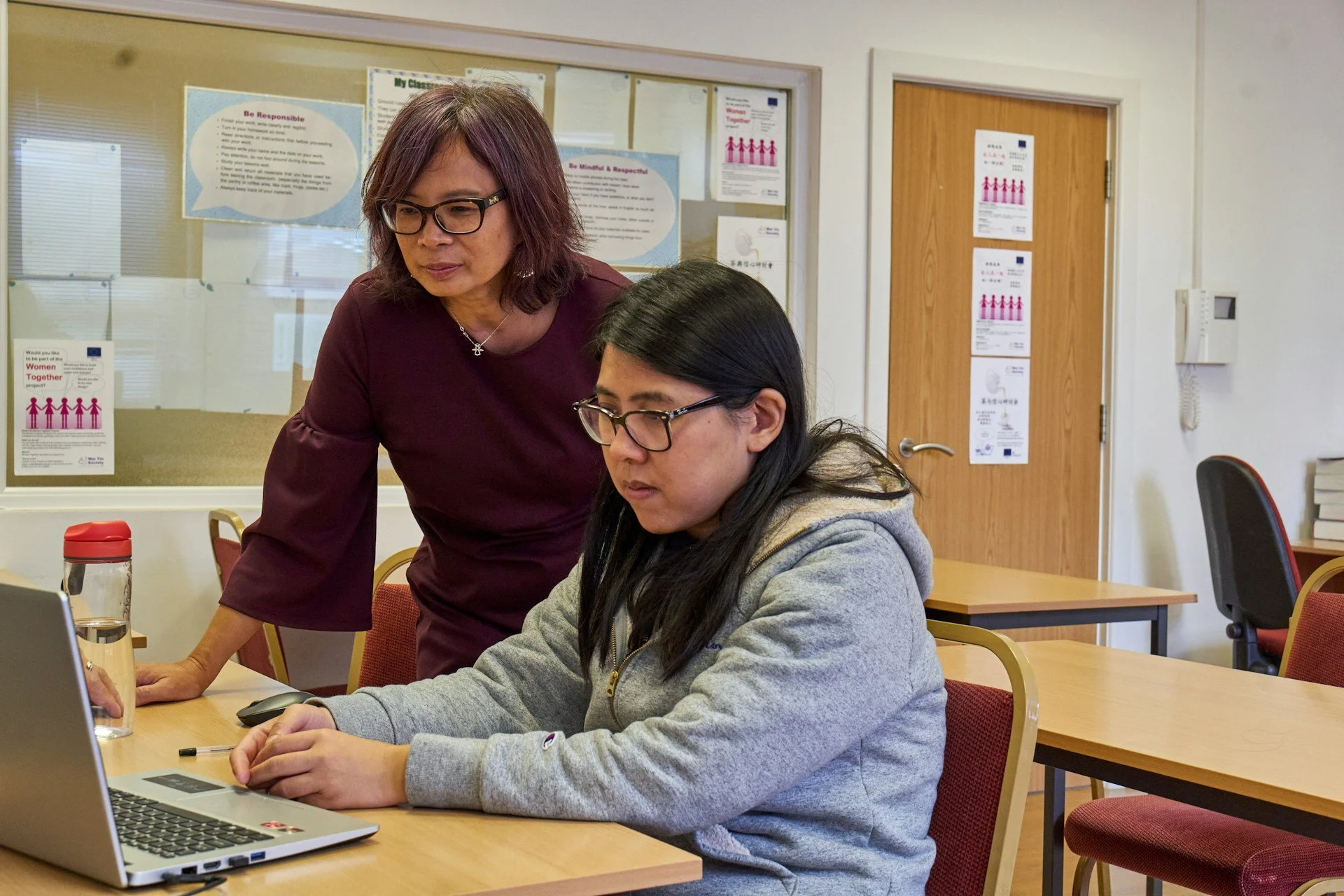
How to Use a Maths Tutor in Aylesbury for Revision Only
By the time May rolls around, students in Aylesbury are deep into revision season. With the spring term moving fast and exams just ahead, this is when routines shift and focus shifts even harder toward testing. For some students, especially those preparing for GCSE or A-Level Maths, it becomes clear that they need extra help, not full-course tutoring, but targeted revision support.
Using a maths tutor in Aylesbury for revision only can make that process feel more structured. Rather than starting from square one, tutoring can be used to plug gaps and build confidence in specific areas. It is an approach that fits well during the lead-up to exams, especially when time is short and the goal is to make progress without adding stress. Here is how to make that kind of support focus where it is needed most.
Plan with Purpose: Setting Goals for Revision Support
When revision time is already tight, the best approach is to be clear and intentional. Tutoring sessions can make a real difference, but only when they work toward something specific.
Start by having a conversation with your child about what topics feel hardest. Identifying tricky subjects gives the tutor a place to begin. It also helps the student feel heard and understood.
Set goals that are short-term. Instead of saying "get better at maths," break it into something like "get comfortable answering algebra questions under timed conditions." A smaller goal is not only more manageable but easier to track.
Make a list of important dates. This includes school mock exams, coursework deadlines, and final assessments. That way, tutoring sessions can be planned around what is coming next instead of moving blindly through the syllabus.
At Elite Tutelage, our tutors help create a revision plan around your child’s current school topics, key exam board requirements, and the events unique to local schools in Aylesbury
Being organised at the start saves guesswork later. It also helps reduce tension when things begin to feel rushed.
Focus on Weak Spots, Not the Entire Syllabus
Using a tutor for revision is not the same as starting a full course of weekly lessons. The idea is to strengthen areas where the student already knows something but still struggles to apply it.
Common problem areas like algebra, graphs, ratio, fractions, or simultaneous equations show up year after year. These are worth revisiting with a fresh set of questions and step-by-step walkthroughs.
Tutors can guide students through review material but avoid layering on brand-new content unless the student asks for it. The goal during revision season is to revisit what is already been taught and sharpen it.
Let the student take the lead when possible. If they have just had a lesson they found confusing or a homework that did not go well, that is the perfect place to start. Students are often more motivated when the content feels recent, relevant, or frustrating in a way they want to improve.
We see the most benefit when tutoring becomes a space to test out skills, check understanding, and clear up repeated obstacles rather than cover more ground.
Use Techniques That Stick: Making Revision Sessions Work
Revision is different from learning something new for the first time. It is about remembering, organising, and applying what is already there. Giving students tools to do this on their own sooner often comes down to the method, not just the material.
Visuals can help a lot, things like flow charts for formulas, simple graphs for data questions, or number lines for sequences can make abstract ideas more solid.
Some students respond better when they can speak through their answers. A mix of written and verbal work means they practise both process and explanation, which is useful for handling exam questions clearly.
At the end of each session, a short recap can reinforce what was covered. Repeating a rule, solving a slightly different version of a question, or listing out tips can make the learning more permanent.
We use interactive whiteboards and tailored worksheets at Elite Tutelage to help students prepare with the specific resources used by local schools and exam boards
Since students do not always revise in the same way, a tutor’s flexibility often means trying different angles until something starts to click. This makes each session feel useful, not just another item on a long list.
Keep Energy Levels Up During Busy Weeks
By spring, school days get longer and the mental load gets heavier. Adding too much extra work at the end of all that can backfire.
Try not to book a session right after a full day when the student is already drained. It is easy for tired brains to miss small details which then leads to more frustration.
Tutors can often move around practice exam dates, school events, or breaks. If there is a week when everything is scheduled, trimming the revision time slightly but focusing more while it lasts can stop burnout.
Working with a tutor to build a realistic weekly revision plan gives students more control. That bit of structure, not just about times but about what to cover when, takes some pressure off.
When revision feels steady rather than packed in, students tend to stay more motivated and productive right through to exam season.
Local Insight Makes Revision More Targeted
There is value in working with someone who is familiar with the pace and paths taken in Aylesbury schools. That local lens gives revision a slightly different edge.
A tutor in Aylesbury likely knows which exam boards are used most often in local state and grammar schools. They will already have practice questions and papers that match that format.
Since revision timelines often line up with local mock exam weeks or teacher-assigned test dates, using that pattern to guide sessions makes sure the student is not caught off guard.
Some topics in Maths often get skipped past or rushed due to time limits in class. A local tutor tends to know which gaps are common by term and can plug them directly instead of reviewing everything from scratch.
That familiarity helps the student feel like the sessions are not random. It makes the time more efficient while sharpening their focus.
Building Confidence Before Exam Day
One of the less talked about parts of revision is what it does for mindset. Working through problems with someone’s support does not just help scores, it helps students believe they can improve.
We have seen over time that most progress does not come from memorising more, but from understanding where the struggle used to be and seeing improvement happen in real time.
Once students feel capable of managing past issues, say calculation errors or forgetting the right method, their confidence builds. They are more likely to approach the next question without panic.
This kind of confidence usually shows up slowly, across weeks of clear feedback and smaller wins. But it is what allows students to walk into exams with more calm and better focus.
Tutoring for revision is not just academic. It supports steady growth that builds both trust in the material and belief in the student. That is the part that often matters most when May turns into June.
Wondering how to bridge the gap before exams? Our team at Elite Tutelage can support your child with meaningful, short-term solutions. Whether it is a refresher on challenging topics or some extra review worked into their routine, a maths tutor in Aylesbury can help make everything feel more manageable. Sessions are structured to what is happening in their classroom, so learning stays relevant. Let us discuss your child’s needs and create a plan that works, when you are ready, just reach out.

Science Topics Most A-Level Students Need Help With
This time of year, many students across Aylesbury are heading into the home stretch of their A-Level revision. Spring usually brings a sharp increase in pressure, which is when questions and worries about science topics start to rise. A-Level science takes a big jump from what most students are used to at GCSE. The subject matter is deeper, the pace is faster, and the questions can feel more layered.
During this stretch, we also hear from many families who are searching for the right kind of backup. Some look for subject-specific help, like an a level science tutor in Aylesbury, who can walk a student through the topics they keep getting stuck on. Others just want clarity on where the gaps are so they can support revision at home. Helping students understand where they are struggling starts by identifying the specific areas that tend to trip up A-Level learners most.
Common Struggles in A-Level Biology
A-Level Biology can feel a bit like learning a new language. The vocabulary gets longer, and students are expected to use technical terms with accuracy. Topics that seemed simple before suddenly go much deeper.
Many students struggle with cell structure and function, especially in how they answer applied questions. They might remember what a mitochondrion is but not be sure how to link it to energy changes in different types of cells.
Genetics tends to get more confusing too. Understanding how traits are passed down sounds straightforward at first, but when Punnett squares, codominance, and linked genes come into the picture, the logic gets harder to follow.
Required practicals are still a big part of the course. Some students find it tough to explain why an experiment is valid or how to improve a method. That gets harder if they have not had regular chances to talk it through in class or ask questions afterward.
Our tutors at Elite Tutelage support students with both AQA and OCR exam boards for Biology, ensuring focus on the practical skills and terminology most needed for exam performance.
Being able to take a step back and walk through these topics slowly often helps. The pressure of exam season does not always give students that space, so these are usually the first areas we focus on when someone says they feel lost in Biology.
Where Students Slip Up in A-Level Chemistry
Chemistry is another subject where the gap between GCSE and A-Level shows up very quickly. There is more maths, more memorisation, and more links between topics.
Bonding and periodic trends can be confusing, especially when it comes to electron shells and how properties change across periods or down groups. These are topics with small details that make a big difference in longer questions.
Organic Chemistry is often where we see students lose confidence. There is naming rules, drawing structures, and remembering reactions for lots of different compounds. If that foundation is shaken early on, it tends to show up when students tackle harder synthesis questions later.
Maths-based topics like moles and balancing equations also tend to trip up students. Timing often gets in the way too. Under exam pressure, it is common to rush through calculations and miss one small step that makes the whole answer wobble.
No two students struggle at the same points, but these are patterns we have picked up across lessons. Rebuilding confidence in Chemistry usually means going through these pieces with enough time to pause and practice them often.
Physics: The Maths Behind the Science
Physics at A-Level combines pure science with more mathematical reasoning. That is what makes it difficult for many students. Sometimes they understand the theory just fine but lose their way when it is time to apply it.
One of the first struggles comes with mechanics. Forces and motion questions seem simple, but if students are not confident with rearranging formulas or converting units correctly, their answers fall apart.
Electricity and circuits bring their own kind of challenge. There is lots of room for confusion when students have to compare current or potential difference across different components. When diagram-based questions are rushed through, it is easy to misread the setup or forget the right rules.
Later in the year, topics like waves and quantum physics introduce ideas that feel completely new. The concepts can feel hard to visualise, and that makes it more difficult to explain answers clearly.
At Elite Tutelage, all Physics tutoring is matched to the AQA and OCR specifications, with support for practical and maths skills alongside theory.
These are topics where we often slow things right down and spend time on how to recognise patterns in questions. That rhythm is hard to build without space to talk through workings out loud or double-check a detail without the clock racing.
Why Some Science Topics Need More Revision Than Others
It is not always about the difficulty of a topic. Sometimes students fall behind early in the term and then never quite feel caught up again. That can make even a simple topic start to feel worse than it is.
Some science topics involve a mix of reasoning types. Subjects like rates of reaction or energy transfers often include both theoretical steps and a maths section at the end.
That back and forth between explanation and numbers can throw off students who usually prefer one over the other.
An a level science tutor in Aylesbury can often help with pacing. Spotting which parts need a full rethink and which can be improved with repeated practice helps build stronger habits.
The truth is, many science topics feel manageable once they have been slowed down and explored step by step. It is the rush that usually causes things to unravel.
Learning That Sticks: Helping Students Build Lasting Knowledge
When students take time to face the tricky bits head on, they build more than short-term results. The goal of science education is not just to pass exams. These subjects keep popping up in uni courses, apprenticeships, and careers long after Year 13 ends.
Getting the right support during revision is one part of this. So is knowing which questions to ask and being willing to revisit weak spots instead of skipping over them. That mindset shift takes time, but once it is in place, it often carries into other subjects too.
Not every student needs help with every topic. But most thrive when they know someone is keeping track alongside them, helping make sure they are not facing the tough parts alone. It is often small changes in how a topic is explained or how practice is built into routine that slowly rebuild confidence after a rocky start. That is where we have seen the biggest difference.
When some of the challenges we have covered start sounding familiar, extra support can make all the difference. Students may not need help with every topic, but focused revision brings clarity to more difficult subjects. Working with an a level science tutor in Aylesbury allows students to slow down, ask questions, and build strong study habits before exams. At Elite Tutelage, we are ready to help you take that next step, just give us a call and we will discuss how we can support your goals.

What to Ask Before Picking Aylesbury Tutoring Services
Looking for tutoring support can feel like a lot to take on. With so many Aylesbury tutoring services available, it is easy to feel unsure about where to start. Every provider has their own style, and every student has different needs, so asking the right questions early on can save time and frustration.
If you are trying to figure out the best way forward for your child, a bit of preparation can help. Knowing what to ask helps you work out whether the support being offered lines up with your goals. It also brings a bit of peace of mind when you are trying to support someone who might already be under pressure at school.
Experience and Subject Knowledge
It helps to know how well a tutor understands the material your child is learning. Some tutors work across several subjects, others focus in just one or two areas.
Ask how long the tutor has been helping students and which age groups or levels they usually support
Find out whether they have worked with the exam board your child is studying, as each one can approach topics slightly differently
Ask how they explain tougher topics in ways that make sense to students with different ways of learning
At Elite Tutelage, our tutors work with students from early years through A level, supporting both Maths and Science and offering specific exam board experience
A solid understanding of the subject is important, but so is flexibility in how it is taught. If a student does not grasp something right away, the tutor should have at least one or two alternatives for breaking it down.
Another thing to think about is the tutor’s attitude toward the subject. If tutors can share their own interest and clear understanding, often students find it easier to stay motivated and pay attention. When a tutor is comfortable with the material, it creates a more relaxed environment, making it easier for students to speak up and ask questions about things they do not understand.
Lesson Structure and Flexibility
Consistency helps students build trust with a tutor, but having a bit of give in the schedule matters too, especially when exams or projects ramp up. It is useful to have a feel for how the tutor structures their sessions.
Ask what a typical lesson looks like and what methods they use to keep sessions active rather than passive
Check what the lesson format is (in person, online, or a mix), and see what options exist if you need to switch occasionally
Ask if they adjust their sessions around test prep, school trips, or term times when students might be pulling longer hours
We offer lessons online, in person, or blended, and can flex session focus and timing to fit changing family needs
Every student's calendar shifts a bit as spring progresses, so knowing you have a flexible plan can help keep momentum without piling on pressure.
It is also worth asking about the duration of each session and how much time is built in for questions. Shorter, focused lessons may work better for some, while others benefit from a bit more time to dig into topics. Tutors should be open to small adjustments here and there as students develop new routines or face changes in their school schedules.
Progress Tracking and Feedback
Even if lessons are going well, parents often want to know how progress is being measured. A regular check-in or report can keep everyone on the same page.
Ask whether progress is tracked during lessons and how those records are kept over the term
See if there is an easy way for parents and students to get updates, whether through email, messages, or short catch-ups
Find out how the tutor responds if progress slows down or if the student starts to feel unsure
It is normal for students to have off weeks, especially when school gets intense. A good tutoring setup should have simple ways to notice these changes and respond quickly.
You can also ask if tutors ever give brief summaries or written notes after a session. These short reviews can help remind students and families about progress or next steps for future lessons. Having a way to check back on learning gives students extra support, too, so they know how far they have come.
Support Style and Student Fit
No two students respond to support the same way. Some thrive on clear structure, others need more freedom. What matters most is whether the tutor can notice how your child learns and adjust to fit without judgment.
Ask how they decide the teaching pace and whether they lean more structured or relaxed depending on the student
Find out what they do if your child struggles to engage or feels disconnected during lessons
Ask how they lower the pressure so students feel comfortable making mistakes and asking questions
Students usually know when something feels off, but they do not always say it. It helps to work with someone who looks out for those quieter signs.
You can also ask tutors how they get to know students in the first few meetings. Sometimes simple icebreaker questions or a little time set aside for a chat can help students feel at ease. When students feel more comfortable, they are more willing to share what is working or not working for them, and that makes lessons even more helpful.
Understanding Local Needs in Aylesbury
Tutors who know the Aylesbury area often understand what local students are dealing with in real time. That makes a big difference when timing support and picking topics.
Ask whether they are familiar with local schools and recent curriculum changes or trends
See if they know when coursework deadlines or key testing periods fall for nearby schools and how that might affect session focus
Ask whether they ever work with school-specific material or adjust lessons based on what students are currently learning at school
A tutor who is used to working with Aylesbury students throughout the year likely has a good sense of what patterns to expect as the term shifts into late spring.
Local tutors may be able to give examples that relate directly to local classes, teachers, or testing routes, making the material seem more familiar. They might even help students practise for events or assignments coming up soon at their own schools. That kind of local awareness makes support feel much more practical day to day.
Helping You Make a Confident Choice
Picking the right tutoring support is not always straightforward, but a few thoughtful questions go a long way. Knowing how lessons are taught, what feedback looks like, and how tutors adapt over time can make the decision feel more solid.
Whether you are new to Aylesbury tutoring services or you have looked at options before, the right match usually comes down to how well the tutor adapts to your child’s needs and how clearly they communicate with families. Taking the time to ask the right questions can lead to steadier progress and better confidence all round.
Asking around in your community may give extra insight, too, since other families might know tutors who have worked well with similar needs. Even a short call with a potential tutor can show a lot about how adaptable and responsive they are to questions and concerns.
Choosing the right support for your child is important, and we understand that every family has unique goals and needs. Explore how our Aylesbury tutoring services are designed to help students thrive. At Elite Tutelage, we are here to talk through your options whenever you are ready, just give us a call or send us a message to get started.