
Science Support in Aylesbury for Summer Learning Loss
Summer brings a welcome break for many students in Aylesbury. It is a time to slow down, rest, and enjoy time away from school routines. But the long weeks without regular study can often mean skills start to slip, especially in subjects that rely on regular practice. Science is one of those areas. A few missed weeks can leave students feeling like they have forgotten more than they remember.
That is where science tutoring services in Aylesbury come into play. They can help rebuild confidence, refresh basic knowledge, and prepare students for what is coming next. Planning a bit of science support in July and August does not have to take over the summer. In fact, fitting in small bits of learning around family time can actually make the autumn term feel far less stressful.
Why Summer Learning Loss Affects Science Skills
The longer students are away from lessons, the more they tend to forget. This is especially true when it comes to science. Physics problems and biology definitions are not always easy to remember without using them again and again. Over time, ideas fade and students may even lose their grasp on concepts they once understood well.
Practical science is even more likely to get rusty. Experiments, lab methods, and data analysis are not skills students often practise at home. Without regular use, it is easy to start second-guessing how to measure something or which safety step comes first.
Science also builds topic by topic. If a student forgets how to handle equations in chemistry or how cells work in biology, the topics that follow start to feel harder than they should. This makes it tougher to catch up once school starts again if the learning gap has grown too wide.
Finding the Right Science Focus for Your Child
Summer is a good time to quietly catch areas that were not fully understood during term. Every student has different parts of science where they feel shaky. Physics might make sense until the forces unit comes in. Chemistry might feel fine until equations show up. The goal is not to repeat everything, but to find the bits that need another look.
We always suggest starting with simple things:
Ask your child what they remember enjoying or finding difficult.
Go through a few books or old test questions to spot where things slowed down.
Begin with review, then add small previews of the next term’s content to build curiosity.
At Elite Tutelage, our tutors support students across all major exam boards, adapting summer science sessions for KS3, GCSE, or A level as needed
One big part of summer learning is shifting mindset. Some students get nervous about science after struggling during term. By helping them rebuild their confidence, we make space for better learning ahead.
Building Science Back In Over the Summer Holidays
It is important that any summer learning fits well into life outside of school. No student wants a timetable that feels stricter than term-time. But science does not have to be dull or heavy to work. We can bring it back gently, at times that make sense for the family and the child.
Here is how we often plan it out:
One to two short sessions a week can be enough to keep ideas alive.
Spread lessons across mid-mornings or early evenings so they do not feel like a chore.
Pick one focus per session, like circuits, chemical bonding, or ecology, rather than jumping between too many areas.
Sessions can be held online or in person to match your preferred pace and schedule
To keep things engaging, we connect science to everyday life whenever we can. That might be a quick walk-and-talk about how trees store energy, or a chat over breakfast about why toast turns brown. These simpler links make things stick better, without pressure.
The Benefits of Working with a Tutor Over the Summer
When science feels confusing, it helps to have a calm setting where it is safe to ask questions. That is one of the strongest reasons families choose to bring in extra help. Tutors can go at a pace that suits the student and adjust lessons depending on how confidence builds or dips.
Science tutoring services in Aylesbury do not just go through textbooks. They offer a clear shape to the learning. That includes small targets for each session, quick reviews of past material, and chances to try again without feeling behind. This personal approach makes science feel manageable again.
Each student’s goal is different. Some need to catch up on missed content after a hard year, while others are ready to explore what comes next. Either way, the approach shifts based on the student, not the schedule. That brings a lighter feeling to the work, focused, but not forced.
Better Prepared for September: Making the School Transition Smoother
The return to school after summer always comes faster than it feels. When students have kept their science knowledge active, it shows. They recognise new topics quicker, spot links to things they have already revised, and start asking questions instead of falling silent in class.
Starting a new term with recent practice under their belt means students walk into the room with more calm. They are not scrambling to remember how enzymes work or what an atom looks like. Instead, they are ready to listen, take part, and even help others.
Confidence is often the biggest gain. When science makes a bit more sense, students do not run from it, they lean into it. That makes the first few weeks of term smoother, not just in science, but across every subject. And that is a good setup for a positive school year ahead.
Summer science can feel overwhelming, but at Elite Tutelage, we make it approachable with a light and flexible approach designed to last well beyond the holiday period. With our science tutoring services in Aylesbury, students regain confidence at a pace that suits them. Let us work together to find the support that fits your family. Contact us today to get started.

What Day Programmes Look Like at a Maths Bootcamp
During the summer, many students find it hard to strike a balance between rest and keeping their minds active. That is where a maths bootcamp in Aylesbury can be a useful part of the holiday. These programmes help students refresh their knowledge, ease into tougher subjects, and build confidence. They do this not through long days of silent revision, but with well-paced schedules, structured goals, and room to stop and think. Knowing what to expect from a typical day helps both students and parents feel more settled. A strong routine can create real progress without turning summer into school all over again.
Bootcamps work best when the environment is calm and the purpose is clear. We keep things moving with a pace that is steady but not rushed. Each part of the day builds from the last. From the moment students arrive, they know what to aim for and where they are headed. We have seen how a guided, consistent structure can help students make sense of topics that felt fuzzy before.
Getting Started Each Morning
The day usually begins with a simple check-in, giving time to settle. Students chat briefly about the previous day or share how they are feeling. Then we start with warm-up problems, often linked to earlier lessons. This helps reset their thinking and wake up the maths side of their brains without pressure.
This first hour is gentle but focused. The problems are challenging enough to spark thought, but not so tough that they throw anyone off. Tutors move around checking in, offering quick prompts or quiet reassurance. By the time the main lesson begins, most students are already switched on and ready to continue.
At Elite Tutelage, our maths bootcamps are designed for small groups with clear goals each day, so every student gets personalised attention while settling in during the morning routines.
Focus Sessions Before Lunch
Mid-morning lessons are the heart of the day. These sessions tackle the major topics through guided teaching and active problem-solving. Depending on the group and the day, we might explore algebra questions, work through a statistics topic, or break down mechanics problems step by step.
Lessons often follow a workshop-styled format. We teach for a short stretch, then let students try different types of questions with support nearby. What made no sense before can start to land when explained clearly, with space to test it out. These sessions feel concentrated, but they are built to help things click, not just cram more in.
Topics often rotate based on student needs and recent school-year challenges.
Lessons focus more on understanding the method than rushing to finish every question.
Students are encouraged to talk through their ideas, not just write answers silently.
We blend exam board-specific questions and everyday techniques, ensuring students can practise for the papers they will face while also developing flexible thinking.
Afternoons Built for Retention
After lunch, the tone naturally shifts. These sessions are quieter, more reflective. We often use this time for revision or applying topics to more exam-based tasks. Students might work through a past paper question in pairs or take part in focused group tasks.
Tutors do not just stand at the front. We walk around, watch how students approach problems, and spot any areas where they are stuck. It is easier to catch mistakes or misunderstandings in the moment. And because students are working with others, they often hear explanations in new ways that make more sense to them.
Tasks are targeted to make sure previously taught content stays active in memory.
The goal is to practise without burning out, and to keep things steady rather than rushed.
Quiet effort is balanced with light guidance so no one gets lost along the way.
Mixing In Breaks, Rest and Checkpoints
We plan downtime into the day on purpose. Short breaks after each session give students time to breathe, have a snack, or stretch. Rest is part of learning, especially with subjects that can feel dense at times. These pauses help keep energy up and reduce the drop-off that can happen with long stretches of focus.
Sometimes we run short brain games or low-key challenges that let students think in different ways. It could be a number riddle, a teamwork puzzle, or a timed quiz that adds a bit of friendly competition. These mini tasks feel fun, but they quietly build logic and problem-solving skills too.
Progress is not only marked by tests. We spend time checking in with students through the day and adjust the plan based on how things are going. If something feels off or too easy, we change course so that sessions stay useful.
Ending the Day With Confidence
The last part of the day is quieter, with a slower pace that helps students wind down. We go back over the main points, work through one or two problems, and give space for any questions that have lingered. There is often a preview of tomorrow’s lesson so students know where we are headed next without feeling overwhelmed.
We like to pause here and ask students to name one thing they feel clearer about. Sometimes it is a topic, sometimes it is just that they felt less nervous today. Either way, those wins matter. They give shape to the day’s work and remind everyone that growth does not always happen in big leaps. It happens when we show up, try, and track what has improved.
This last stretch might be the most relaxed slot, but it plays an important role. Students leave not with their heads full of half-finished ideas, but with a sense that progress is being made, bit by bit, day by day.
Why Structure Sets Students Up to Succeed
The real value of bootcamp learning is not just in the content. It is in how we pace and present it. A good set-up encourages the kind of thinking that builds memory and understanding. Students are not pushed through rushed material. They are guided to think clearly, practise regularly, and settle into steady effort.
That rhythm, morning focus, mid-day instruction, afternoon practice, helps remove stress. It gives students a plan, and something strong to return to after each break or weekend. A maths bootcamp in Aylesbury is not just about cramming before term starts. It is a way to step into the next school year with more calm, and more confidence that the foundations are all in place. The summer may be quieter, but it can still be productive with the right support.
Thinking about how to help your child stay focused this summer? Enrolling in a maths bootcamp in Aylesbury can make a real difference, helping students build skills and confidence without feeling rushed or overwhelmed. At Elite Tutelage, we design our days to keep learning steady, engaging and enjoyable, ensuring a smoother return to school in September. Every session is aimed at making tough topics clearer and supporting students’ progress. To discuss what might suit your situation, please get in touch with us.

Organising a Maths Crash Course in Aylesbury for July
July feels like a bit of a breather. Exams are done, school is easing off, and most families in Aylesbury are settling into a calmer pace. But that space before September can be useful, especially for students who want to feel more confident in maths. A maths crash course in Aylesbury gives students a chance to focus on the bits that did not fully click earlier in the year or to get ahead before content becomes heavier again in the autumn.
The trick is working around summer rhythms. Between family plans, holidays, and a general need for rest, any kind of learning has to feel manageable. A crash course can help, so long as it is built to suit how a student learns best. For some, that means brushing up on weak topics. For others, it might be about keeping momentum going during a quiet stretch. With the right plan, summer maths does not have to feel like extra school. It can be more like building a stronger base before things pick up again.
Picking the Best Time and Format for July Learning
Every family’s summer looks a little different. Some take time off for travel, others juggle sports, clubs, or work shifts. That is why we always look at the calendar first before setting lesson dates. If learning gets squeezed in between a full plate of activities, not much sticks. It is usually best to build the course around what already exists, not the other way around.
Daily intensive sessions suit those with short holiday windows or who prefer to cover content quickly with focused bursts.
Weekly sessions help if a student needs more time between lessons to think and practise.
Some students do better with a mix, starting weekly in early July and switching to daily towards the end, depending on plans.
Elite Tutelage offers both in-person and online crash course lessons, allowing families to maintain lessons during travel or fit around local activities.
Then there is the setting. In-person sessions can add a layer of calm and accountability. But if families are away, online lessons mean the learning does not need to pause completely. We often help students design a plan that shifts between formats based on travel or home availability. What matters more than where it happens is that there is consistency over a few weeks.
Setting Learning Goals for Summer Maths
Once the schedule is settled, the next step is working out what the student wants to learn, or feels shaky about. Maths builds steadily each year, so gaps left unfilled can cause more issues down the line. And some students simply want to feel better prepared before new material appears in September.
For those who struggled earlier this year, catch-up goals usually focus on key topics that account for confusion, like algebra or fractions.
For students who are aiming higher or preparing for exams, reviewing trickier GCSE or A level material gives them a head start.
Still others benefit from previewing new concepts without pressure, especially if they tend to take longer to grasp unfamiliar topics.
Our crash courses use exam board-aligned resources, so revision matches what Aylesbury students will see in the autumn term.
What often helps is building in short-term wins that encourage students to keep going. That could be finally getting through a topic that once made no sense or being able to solve a problem they normally skipped. These moments build confidence, and confidence leads to deeper focus during lessons.
Some students can feel nervous about maths, especially if past lessons moved too fast or felt confusing. By identifying which themes to revisit, it becomes easier to design sessions that make sense and build up gradually. Learning at a steady pace throughout the holidays prevents knowledge from getting rusty, giving students a helpful review before they face new challenges at school.
Planning Each Session for Maximum Focus and Retention
No one concentrates well for hours at a time, particularly not during the summer. Planning smartly means working with what most students can realistically manage. Too much in one sitting leads to frustration. But too little makes progress slow and often forgotten.
One-hour sessions tend to be best, especially when paired with a clear focus like solving exam-style problems or reviewing a single concept.
Each lesson might include 10 to 15 minutes of warm-up review, followed by topic coaching, a short break, and then some guided practice.
Bringing in real-life connections makes harder maths less abstract. We often link ratio or percentages to things kids encounter every day, like recipes, sports stats, or shopping discounts.
By cycling through methods, talking, solving, checking, we help information stick. And when students realise that maths is not some distant thing unrelated to them, they often relax and ask more questions.
Sticking to short, consistent lessons through July means students feel less pressure and absorb more. An organised session, beginning with a recap, followed by interactive practice and ending with a review, breaks up trickier topics. These sequences build strong study habits for the long term.
Working with Tutors for Personalised Support
One of the bigger benefits of a structured crash course is that the learning does not need to be one-size-fits-all. As students work through summer, their needs shift. Maybe they improve quicker than expected in one area or suddenly remember an old gap from last term.
Tutors adjust the plan based on progress. If a student shows strength in one area, we might spend less time there and refocus energy somewhere else.
Some students arrive in July with a clear list of problem topics. Others need a session or two to reveal what is really holding them back.
Learning in a quiet, focused setting lets students take their time. Summer is not about moving fast, but rather about building real understanding.
That steady pace, combined with the comfort of a smaller learning space, creates room for questions. It is okay not to know something right away. It is okay to ask. That shift can make all the difference by the time September rolls around.
Working with a tutor who pays attention to how a student learns best means the plan can shift as needed. Some find they gain ground faster than expected and are keen to cover extra material, while others benefit from working on similar examples until they feel secure. The flexibility helps students grow their confidence naturally.
Set for September: Why a July Course Makes a Difference
Maths is not something most students want to think about in July. But we have seen how even just a few lessons in summer can change how a student feels walking into a new term. They are less panicked by the thought of a test. Less lost when a concept is mentioned. They have groundwork to fall back on.
A regular study rhythm over the summer helps students stay sharp. Skills stay fresher when they are used, even lightly.
Knowing what to expect in the new school year reduces fear. That early familiarity creates more space for confidence once terms get busy again.
By choosing a maths crash course in Aylesbury that fits the student’s schedule and needs, families give their children more than problem-solving tools. They give them a calmer start and a stronger mindset for what comes next. July does not have to be packed with schoolwork, but a little consistent effort now can shift how the rest of the year feels. And that can make a much bigger difference than cramming in autumn.
Getting ready in summer is not about piling on more work, but about building routines and mindsets that last. If a student picks up just a few strategies or meets a supportive tutor who boosts their self-belief, the benefits stretch into every lesson once school is back in session. Approaching maths this way builds steady confidence, not just for September, but for all the terms that follow.
Summer is a great time to give your child a boost in maths before September. Our sessions at Elite Tutelage support each student’s individual learning style, whether they need to revisit previous challenges or move ahead to new topics. A well-timed maths crash course in Aylesbury helps make the back-to-school transition smoother, as we keep our lessons focused yet relaxed to build confidence without added pressure. Get in touch with us to plan a summer schedule that works for you.
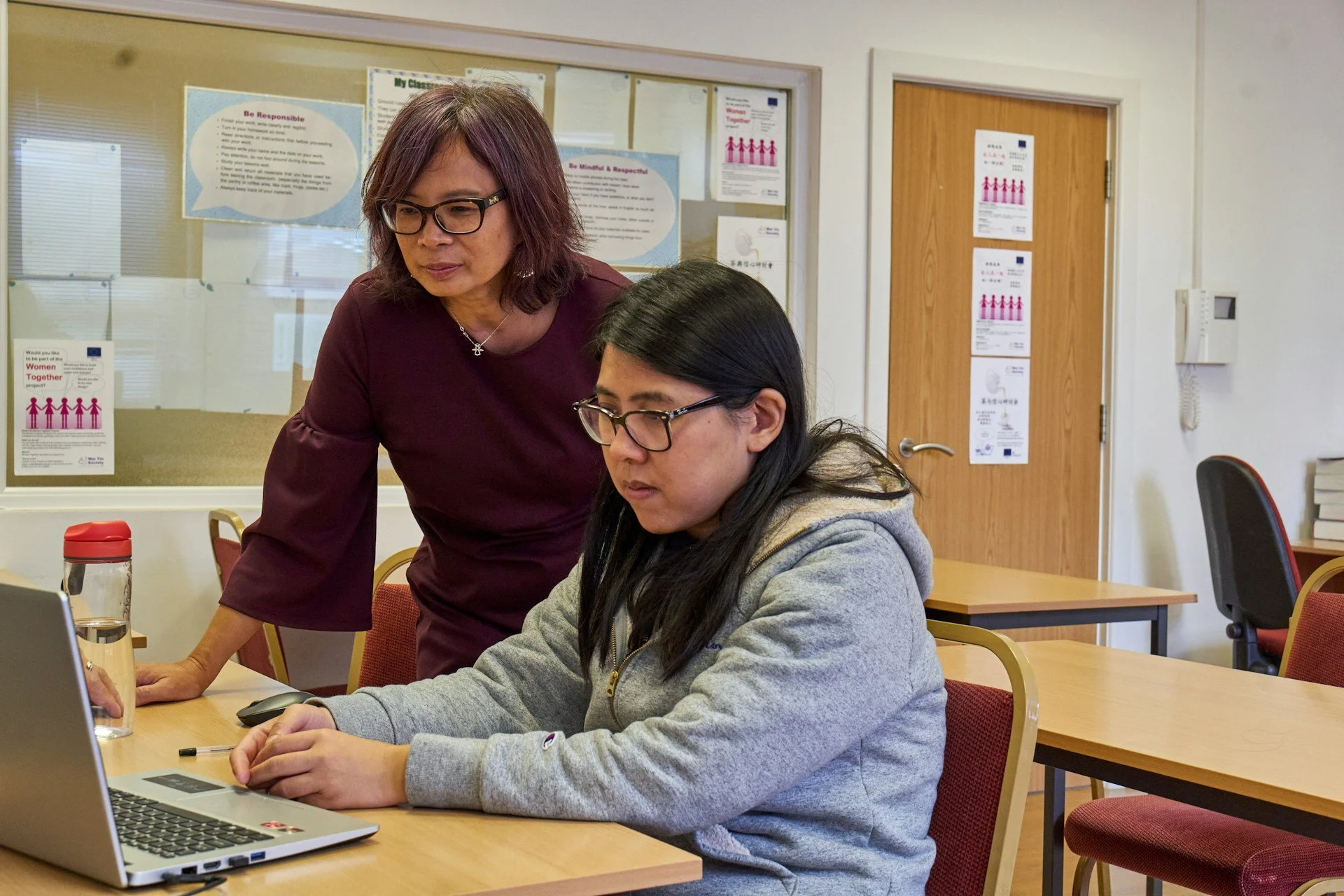
How to Use a Maths Tutor in Aylesbury for Revision Only
By the time May rolls around, students in Aylesbury are deep into revision season. With the spring term moving fast and exams just ahead, this is when routines shift and focus shifts even harder toward testing. For some students, especially those preparing for GCSE or A-Level Maths, it becomes clear that they need extra help, not full-course tutoring, but targeted revision support.
Using a maths tutor in Aylesbury for revision only can make that process feel more structured. Rather than starting from square one, tutoring can be used to plug gaps and build confidence in specific areas. It is an approach that fits well during the lead-up to exams, especially when time is short and the goal is to make progress without adding stress. Here is how to make that kind of support focus where it is needed most.
Plan with Purpose: Setting Goals for Revision Support
When revision time is already tight, the best approach is to be clear and intentional. Tutoring sessions can make a real difference, but only when they work toward something specific.
Start by having a conversation with your child about what topics feel hardest. Identifying tricky subjects gives the tutor a place to begin. It also helps the student feel heard and understood.
Set goals that are short-term. Instead of saying "get better at maths," break it into something like "get comfortable answering algebra questions under timed conditions." A smaller goal is not only more manageable but easier to track.
Make a list of important dates. This includes school mock exams, coursework deadlines, and final assessments. That way, tutoring sessions can be planned around what is coming next instead of moving blindly through the syllabus.
At Elite Tutelage, our tutors help create a revision plan around your child’s current school topics, key exam board requirements, and the events unique to local schools in Aylesbury
Being organised at the start saves guesswork later. It also helps reduce tension when things begin to feel rushed.
Focus on Weak Spots, Not the Entire Syllabus
Using a tutor for revision is not the same as starting a full course of weekly lessons. The idea is to strengthen areas where the student already knows something but still struggles to apply it.
Common problem areas like algebra, graphs, ratio, fractions, or simultaneous equations show up year after year. These are worth revisiting with a fresh set of questions and step-by-step walkthroughs.
Tutors can guide students through review material but avoid layering on brand-new content unless the student asks for it. The goal during revision season is to revisit what is already been taught and sharpen it.
Let the student take the lead when possible. If they have just had a lesson they found confusing or a homework that did not go well, that is the perfect place to start. Students are often more motivated when the content feels recent, relevant, or frustrating in a way they want to improve.
We see the most benefit when tutoring becomes a space to test out skills, check understanding, and clear up repeated obstacles rather than cover more ground.
Use Techniques That Stick: Making Revision Sessions Work
Revision is different from learning something new for the first time. It is about remembering, organising, and applying what is already there. Giving students tools to do this on their own sooner often comes down to the method, not just the material.
Visuals can help a lot, things like flow charts for formulas, simple graphs for data questions, or number lines for sequences can make abstract ideas more solid.
Some students respond better when they can speak through their answers. A mix of written and verbal work means they practise both process and explanation, which is useful for handling exam questions clearly.
At the end of each session, a short recap can reinforce what was covered. Repeating a rule, solving a slightly different version of a question, or listing out tips can make the learning more permanent.
We use interactive whiteboards and tailored worksheets at Elite Tutelage to help students prepare with the specific resources used by local schools and exam boards
Since students do not always revise in the same way, a tutor’s flexibility often means trying different angles until something starts to click. This makes each session feel useful, not just another item on a long list.
Keep Energy Levels Up During Busy Weeks
By spring, school days get longer and the mental load gets heavier. Adding too much extra work at the end of all that can backfire.
Try not to book a session right after a full day when the student is already drained. It is easy for tired brains to miss small details which then leads to more frustration.
Tutors can often move around practice exam dates, school events, or breaks. If there is a week when everything is scheduled, trimming the revision time slightly but focusing more while it lasts can stop burnout.
Working with a tutor to build a realistic weekly revision plan gives students more control. That bit of structure, not just about times but about what to cover when, takes some pressure off.
When revision feels steady rather than packed in, students tend to stay more motivated and productive right through to exam season.
Local Insight Makes Revision More Targeted
There is value in working with someone who is familiar with the pace and paths taken in Aylesbury schools. That local lens gives revision a slightly different edge.
A tutor in Aylesbury likely knows which exam boards are used most often in local state and grammar schools. They will already have practice questions and papers that match that format.
Since revision timelines often line up with local mock exam weeks or teacher-assigned test dates, using that pattern to guide sessions makes sure the student is not caught off guard.
Some topics in Maths often get skipped past or rushed due to time limits in class. A local tutor tends to know which gaps are common by term and can plug them directly instead of reviewing everything from scratch.
That familiarity helps the student feel like the sessions are not random. It makes the time more efficient while sharpening their focus.
Building Confidence Before Exam Day
One of the less talked about parts of revision is what it does for mindset. Working through problems with someone’s support does not just help scores, it helps students believe they can improve.
We have seen over time that most progress does not come from memorising more, but from understanding where the struggle used to be and seeing improvement happen in real time.
Once students feel capable of managing past issues, say calculation errors or forgetting the right method, their confidence builds. They are more likely to approach the next question without panic.
This kind of confidence usually shows up slowly, across weeks of clear feedback and smaller wins. But it is what allows students to walk into exams with more calm and better focus.
Tutoring for revision is not just academic. It supports steady growth that builds both trust in the material and belief in the student. That is the part that often matters most when May turns into June.
Wondering how to bridge the gap before exams? Our team at Elite Tutelage can support your child with meaningful, short-term solutions. Whether it is a refresher on challenging topics or some extra review worked into their routine, a maths tutor in Aylesbury can help make everything feel more manageable. Sessions are structured to what is happening in their classroom, so learning stays relevant. Let us discuss your child’s needs and create a plan that works, when you are ready, just reach out.

Are Maths Crash Courses in Aylesbury Worth the Rush?
As exams creep closer each spring, a lot of students here in Aylesbury begin to feel the stress. There is a common urge to fix things fast, especially with maths. That is when families start looking at whether a quick revision course can boost marks just in time. A maths crash course in Aylesbury might feel like a shortcut to confidence, but depending on the learner, it may not be the right kind of help. Before signing up and hoping for fast gains, it is worth thinking about what these courses actually do, who they benefit, and what tends to happen after they end.
Why Some Students Turn to Last-Minute Help
There is often a turning point around late April. Many students feel like they have run out of time to fully catch up on maths lessons. Maybe a topic from earlier in the year still does not make sense, or mocks did not go as well as they hoped. Parents start noticing the pressure too, especially when report cards hint at underperformance just before GCSEs or other big tests.
By spring, it is common to hear students say they just need a quick refresher or want to go over the hard bits one more time. That is when crash courses come up as a possible solution. They sound like a fast way to fill in gaps and regain confidence.
But speed can come at a price. These quick formats often do not line up with how much time a student actually needs to understand a topic deep down. And when we are talking about pressure this close to exams, some learners find themselves more anxious after rushed revision than before.
What a Maths Crash Course Typically Covers
Most of these short courses are meant to be intensive learning sessions. The pace is quick, and there is rarely much time to stop and sit with a hard idea for too long. From what we have seen, crash courses often include:
Key topic refreshers, such as algebra, fractions, or graphs
Past exam questions that are worked through quickly
Spotting common mistakes and showing how to avoid them
Elite Tutelage crash courses are taught by experienced tutors familiar with all major exam boards, so students are preparing with materials tailored to their exact GCSE or A level syllabus
The goal is usually clear and short-term. It is about helping students feel more ready for what is immediately ahead. These sessions can be handy for highlighting patterns in questions or refreshing memory on already-learned content.
But not every course is paced the same. Some squeeze a lot of material into a few days, which works better for students who already have a decent grasp and just want to sharpen their skills. For those who are still confused by early topics, though, the pace might be overwhelming or not stick at all.
Do Short Courses Help with Long-Term Understanding?
That really depends on how confident the student was to begin with. Crash courses are usually built for revision. They work best when the student already knows the content but needs a reminder. If someone is still figuring out the basics, a fast class filled with new problem types or unfamiliar topics can feel like too much all at once.
When students use a crash course to review and practise what they already know, it can help them feel more ready for upcoming tests. But if the aim is to understand something for the first time, the format rarely allows enough space for questions or slower thinking.
Without consistent follow-up after the course ends, it is also easy for information to fade again. The short-term nature of crash courses makes them less helpful for building strong, lasting knowledge unless another structure is already in place to deepen that learning over time.
Things to Think About Before Booking a Quick Course
Not every student gets the same value from a crash course. Timing matters, but so does pacing. If someone is already feeling stressed or unsure, adding a fast-moving revision session might actually make them feel worse.
Here are some things we have learned to look out for:
Is the student already doing okay but wants a final polish? A crash course might help
Are they unsure about key topics and get stuck often? A slower, steadier approach could be better
Do they tend to rush through tasks when under pressure? That might work against them in a fast-paced course
We always recommend a chat before and after a crash course to help families decide if it fits the student’s revision needs and learning style
For many learners, progress happens steadily through weekly support where ideas are revisited and practised at just the right tempo. Trying to catch up everything all at once can lead to surface-level understanding that crumbles during the actual test.
The Payoff: When Fast Help Works and When It Does Not
Sometimes, fast help fits, especially when a student is nearly there and just wants to review or regain confidence. In those cases, short courses can act as a closing step that still feels structured.
But they need to be the right type of boost. If a student is not ready for quick recalls or fast feedback, we have found it is better to stick with slower steps that build confidence in chunks. It is less pressure and often more success in the actual test.
A maths crash course in Aylesbury can be worth it if it matches the student’s mindset, not just the calendar. However, it is good to remember that fast does not always mean finished. Many students gain more from time, space, and the chance to truly sit with an idea until it makes sense. Patience may not feel like progress right away, but it often leaves a stronger mark.
At Elite Tutelage, we offer personalised support designed to move at your child’s pace, whether they need to revisit earlier topics or build new confidence step by step. A maths crash course in Aylesbury works best when it is part of a well-thought-out plan. Not sure what will suit your child? Get in touch and we will work together to find the right path.