
Bridging the Gap: How Private Tutoring Enhances the Transition from GCSE to A-Level Science and Maths Education
Transitioning from GCSE to A-Level education can present a range of potential challenges for students, particularly in the demanding subjects of Science and Maths. The increased depth and complexity, coupled with the need for independent study and critical thinking skills, may leave students feeling overwhelmed or underprepared for their A-Level studies. As parents and educators, we must acknowledge these challenges and support students to navigate this transitional period effectively. Our private tutoring programmes in Aylesbury offer targeted support to bridge the gap, cultivating the knowledge and skills necessary for successful A-Level Science and Maths education.
In this article, we will discuss the various challenges and differences that students encounter during the transition from GCSE to A-Level Science and Maths, delving into aspects such as the increased curriculum demands, heightened analytical thinking, and independent learning. Additionally, we will explore how our private tutoring programmes play a crucial role in helping students to overcome these challenges, equipping them with the necessary knowledge, skills, and confidence to excel in their A-Level studies.
Embark on a seamless educational journey by enrolling your child in our expertly tailored private tutoring programmes for GCSE and A-Level Science and Maths education. Our dedicated tutors will help your child navigate the complexities of transitioning between academic levels, providing the support and guidance necessary to lay the foundation for future success. Begin their journey to educational excellence today.
Key Differences Between GCSE and A-Level Science and Maths
The transition from GCSE to A-Level presents several key differences in Science and Maths education, requiring students to adjust their mindset, learning methods, and expectations:
Greater Depth and Complexity: A-Level Science and Maths subjects delve deeper into the curriculum, exploring more complex topics and concepts.
Independent Learning: A-Level courses demand a higher level of independent study and self-motivation, requiring students to take greater responsibility for their own learning outcomes.
Critical Thinking: A-Level Science and Maths education places a stronger emphasis on critical thinking, problem-solving, and analytical skills.
Strategies for Overcoming Challenges in the Transition
Students can adopt various strategies to help them successfully navigate the transition from GCSE to A-Level Science and Maths education, ensuring optimal personal growth and academic achievement:
Active Engagement: Actively engage with new A-Level material, participating in class discussions, asking questions, and seeking clarification on any challenging concepts.
Prioritisation and Time Management: Allocate sufficient time for independent study and revision, prioritising key areas of focus and balancing various subjects effectively.
Seek Support: Access educational support from peers, teachers, or private tutors to overcome any challenges encountered during the transition process.
Role of Private Tutoring in Enhancing the Transition
Private tutoring can play a crucial role in helping students to overcome the challenges associated with the transition from GCSE to A-Level Science and Maths education, providing personalised support and expertise:
Targeted Learning Plans: Private tutoring programmes can develop tailored learning plans, addressing each student's unique strengths, weaknesses, and learning goals during the transition phase.
Academic Skills Development: Private tutors can equip students with the necessary academic skills required to succeed in A-Level Science and Maths education, focusing on independent study, time management, and critical thinking.
Customised Pacing: Private tutoring allows for a flexible pace, enabling students to fully grasp complex A-Level concepts before progressing further in their studies.
Benefits of Private Tutoring During the Transition Phase
Private tutoring offers a range of benefits for students during their transition from GCSE to A-Level Science and Maths education, fostering academic excellence, personal growth, and a strong foundation for future success:
Increased Confidence: Private tutoring can boost students' confidence by providing targeted support, encouragement, and expert guidance in navigating the transition process.
Enhanced Understanding: Private tutors can help students to develop a deeper understanding of A-Level Science and Maths concepts, ensuring they are well-prepared for the challenges of their new courses.
Continuity of Learning: Private tutoring can create a sense of continuity and familiarity as students adjust to their new academic environment, offering consistent educational support throughout the transition phase.
Conclusion
Transitioning from GCSE to A-Level Science and Maths education can present unique challenges, but with the support of our expert private tutoring programmes, students can effectively bridge the gap and achieve academic excellence. By understanding the key differences between GCSE and A-Level education, adopting strategic approaches, and utilising the benefits of private tutoring, students can successfully navigate this pivotal period in their educational journey, laying the foundation for future success in their Science and Maths studies.
Help your child thrive during the crucial transition from GCSE to A-Level education by enrolling them in our bespoke private tutoring services for Science and Maths. Our dedicated, expert tutors will provide the personalised support, guidance, and skills development required for your child to overcome any challenges they may face during this transitional phase, propelling them towards academic excellence and future success. Contact Elite Tutelage today!

Mastering Exam Techniques: Strategies to Excel in GCSE and A-Level Science and Maths Examinations
As GCSE and A-Level Science and Maths examinations approach, it is essential for students to not only be proficient in their subject matter but also well-versed in successful exam techniques and strategies. Educators and parents must recognise the importance of guiding students in acquiring these vital skills, which significantly impact examination performance and overall academic achievement. Our private tutoring programmes strive to empower students with a wealth of practical exam techniques, setting them on a path towards success in their Science and Maths examinations.
In this article, we will explore a variety of practical exam techniques that GCSE and A-Level Science and Maths students can implement, ranging from time management and effective preparation to essential revision strategies and stress reduction tips. By providing comprehensive guidance on these valuable exam skills, we aim to transform the examination experience for students, maximising their focus, understanding, and, ultimately, their results.
Effective Preparation: Building a Solid Foundation
Laying the groundwork for success in GCSE and A-Level Science and Maths examinations begins with effective preparation, employing the right strategies and techniques to ensure comprehensive subject understanding:
1. Establish a Study Schedule: Create a realistic study schedule, allocating appropriate time for each subject and accounting for breaks, exam practice, and revision sessions.
2. Set Clear Goals: Identify specific learning objectives for each study session, enabling targeted progression and facilitating measurable achievement.
3. Utilise a Variety of Resources: Make the most of various educational resources, such as textbooks, past exam papers, online tutorials, and our bespoke tutoring materials.
Time Management: Maximise Exam Efficiency
Mastering time management skills is crucial for GCSE and A-Level Science and Maths students, ensuring they make the most of the limited time available during examinations:
1. Implement Time Allocation: Allocate a specific amount of time for each question or section, considering your total exam time and question weightings, ensuring a balanced approach.
2. Prioritise Key Questions: Tackle high-weighting questions or those with which you feel confident first, then move on to more challenging or lower-weighting sections.
3. Keep Track of Time: Regularly monitor your time during the exam, adjusting your speed or strategy as needed to address any time constraints.
Revision Strategies: Reinforcing Knowledge
Effective revision is paramount to consolidating knowledge and familiarising students with examination formats and requirements, enhancing confidence and performance:
1. Active Revision Techniques: Utilise active revision methods such as summarising notes, teaching others, or creating flashcards, fostering deeper engagement and understanding.
2. Practice Assessments: Regularly undertake practice examinations under timed conditions, refining exam techniques and identifying areas requiring further study or revision.
3. Seek Feedback: Obtain feedback from tutors, teachers or peers on practice assessments, highlighting any common errors, misconceptions, or areas for improvement.
Stress Reduction: Maintaining a Healthy Mindset
Reducing stress levels and maintaining a positive mindset are invaluable exam techniques, promoting enhanced focus, retention and exam performance:
1. Develop Exam-Day Routines: Establish a consistent exam-day routine, incorporating activities that promote calmness and focus, such as gentle exercise, meditation or deep-breathing techniques.
2. Practice Mindfulness: Engage in mindfulness practices throughout the exam preparation process, fostering self-awareness, relaxation, and increased concentration.
3. Seek Support: Reach out to tutors, teachers, peers or family members for emotional support, guidance or reassurance during the examination period.
Conclusion
Mastering essential exam techniques is a fundamental aspect of achieving success in GCSE and A-Level Science and Maths examinations. By implementing effective preparation strategies, honing time management skills, utilising evidence-based revision techniques, and focusing on stress reduction, students can cultivate essential skills to excel in their exams. Our private tutoring programmes are specifically designed to equip students with such practical exam techniques, maximising their potential for extraordinary academic achievement.
Invest in your child's future success by enrolling them in our expert GCSE and A-Level Science and Maths private tutoring services today, empowering them with the essential exam techniques and strategies they need to excel in their examinations and beyond. Give your child the tools they need from us at Elite Tutelage to unlock a lifetime of academic achievement and start their journey towards excellence now.

How to Boost Confidence in GCSE Maths and Science
Building confidence in GCSE Maths and Science is vital for academic success and personal growth. Many students feel anxious about these subjects, which can affect their performance and mindset. Understanding why this happens and finding ways to overcome it can make a big difference.
Anxiety around Maths and Science often comes from past struggles, fear of failure, and the complexity of the topics. When students lack confidence, they may avoid these subjects, leading to more gaps in their knowledge. This creates a cycle where they feel more and more overwhelmed.
To help students feel more confident, we need to address their fears and offer support. Practical tips, engaging activities, and regular practice with feedback can make learning enjoyable and manageable. By focusing on these areas, students can build their confidence and improve their skills, setting them up for success in their GCSE exams and beyond.
Understanding the Root Causes of Low Confidence in Maths and Science
Low confidence in Maths and Science often comes from a variety of sources. One major reason is past struggles in these subjects. When students find Maths and Science hard, they start to believe they are not good at them. This can make them feel anxious each time they face new topics. Another reason is the fear of making mistakes. Mistakes are a natural part of learning, but many students worry about being wrong. This fear can stop them from trying new problems or asking questions when they need help.
Additionally, the complexity of Maths and Science can be overwhelming. These subjects are full of intricate details and challenging concepts that can confuse students. When they do not understand something right away, they might think they will never get it. This feeling can build up, making them more unsure of their abilities with each new lesson.
Practical Tips to Build Confidence in Maths and Science
Building confidence in Maths and Science takes time and effort, but it is definitely possible. Here are some helpful tips to boost students' confidence:
1. Start with Simple Problems: Begin with easier problems to build a strong foundation. This helps students feel a sense of achievement and prepares them for more difficult challenges.
2. Break Down Complex Topics: Divide complex topics into smaller, more manageable parts. This makes them less intimidating and easier to understand.
3. Encourage Questions: Remind students that asking questions is a key part of learning. When they feel comfortable seeking help, they can clear up doubts and build their knowledge.
4. Use Positive Reinforcement: Praise effort and progress, not just correct answers. Positive feedback helps build confidence and motivates students to keep trying.
5. Set Realistic Goals: Help students set achievable goals. Meeting these goals gives them a sense of accomplishment and boosts their confidence over time.
By using these practical tips, we can help students feel more assured in their Maths and Science skills. This will not only improve their performance but also make learning more enjoyable and less stressful.
Fun and Engaging Activities to Make Learning Enjoyable
Making Maths and Science enjoyable can go a long way in building confidence. When learning feels like fun, students are more likely to engage and less likely to feel stressed. Here are some activities to make these subjects more enjoyable:
1. Maths Games: Games that involve problem-solving can make Maths fun. Board games, online puzzles, and interactive apps can help students practise Maths skills in a playful context. These games turn learning into a challenge they want to master.
2. Science Experiments: Hands-on science experiments can spark interest and curiosity. Simple experiments that can be done at home or in the classroom allow students to see the practical side of Science. This hands-on approach helps them understand concepts better and makes learning exciting.
3. Group Projects: Collaborative projects encourage teamwork and communication. When students work together on projects, they can share ideas and support each other. This social aspect of learning helps reduce stress and increases confidence.
4. Storytelling in Science: Using stories to explain scientific concepts can make them more relatable. Stories about famous scientists or the discovery of scientific principles can capture students' imagination and make learning memorable.
By incorporating these fun activities, we help students see Maths and Science as subjects they can enjoy and succeed in. This positive experience builds their confidence and encourages a love for learning.
How Regular Practice and Feedback Improve Skills and Confidence
Regular practice is essential for improving skills in Maths and Science. Consistent practice helps students reinforce what they have learned and apply it in different contexts. This repetition builds familiarity and reduces anxiety.
Feedback is equally important. Constructive feedback helps students understand what they are doing well and where they need to improve. Here are some ways to use practice and feedback effectively:
1. Daily Practice Sessions: Encourage students to spend a little time each day practising Maths problems or reviewing Science concepts. Short, regular sessions are more effective than cramming before a test.
2. Practice Tests: Taking practice tests can help students get used to exam conditions. This reduces test anxiety and helps them manage their time better during the actual exam.
3. Detailed Feedback: When checking work, provide detailed feedback. Point out what was done correctly and explain any mistakes. This helps students learn and grow from their errors.
4. One-on-One Sessions: Personalised tutoring sessions allow for targeted feedback. Tutors can focus on individual needs, providing support and encouragement where it is most needed.
By combining regular practice with detailed feedback, students can continuously improve their skills. This ongoing improvement boosts their confidence, making them more capable and prepared for their GCSE exams.
Conclusion
Building confidence in GCSE Maths and Science is a journey that requires understanding, effort, and the right strategies. By addressing the root causes of low confidence, offering practical tips, engaging activities, and regular practice with feedback, we can support our students in becoming more assured and successful learners.
Confidence in Maths and Science not only helps students perform better in exams but also opens up future opportunities in various fields. As they gain confidence, they become more willing to tackle difficult tasks and learn new things. This lays a strong foundation for their academic and professional futures.
Discover how our tailored tutoring approach at Elite Tutelage can help your child boost their confidence and achieve success in their GCSE Maths and Science studies. Get in touch with us today to learn more about our services and how we can support your child’s learning journey.

A Guide to Effective Revision Techniques for GCSE and A-Level Science and Maths (Copy)
As GCSE and A-Level exams draw nearer, Science and Maths students may feel overwhelmed and unsure of how to maximise their revision and effectively prepare for the upcoming tests. Effective revision techniques and strategies play a crucial role in ensuring that students not only consolidate their understanding of the subject matter but also approach their examinations confidently and well-prepared. At Elite Tutelage, a renowned provider of Science and Maths tutoring for GCSE and A-Level students in Aylesbury, we specialise in equipping students with the knowledge, skills, and resources to excel academically and achieve peak exam performance.
In this article, we will unveil Elite Tutelage's top revision techniques and strategies to help GCSE and A-Level Science and Maths students optimise their exam preparation and perform at their best. We will delve into topics such as creating a structured revision timetable, utilising active learning methods, breaking down complex topics into manageable chunks, seeking feedback from tutors, and practising past exam papers. Additionally, we will explore the importance of self-reflection and identifying areas for improvement in order to develop a comprehensive and adaptive revision plan that accommodates each student's unique learning style and needs.
Elite Tutelage is committed to guiding every GCSE and A-Level Science and Maths student through the challenging yet rewarding journey towards exam success. Join us as we unveil the keys to mastering your revision process, providing you with the resources, strategies, and confidence necessary to face your exams and shine.
Creating a Structured Revision Timetable
Designing a well-organised and personalised revision timetable is instrumental in ensuring that GCSE and A-Level Science and Maths students can manage their time effectively and maintain a balance between subjects:
1. Prioritise Topics: Encourage students to begin revising topics they find most challenging or require the most attention, ensuring adequate time is spent on mastering these areas.
2. Set Realistic Goals: When devising a revision timetable, students should set achievable goals, clearly outlining what they aim to accomplish in each study session.
3. Allocate Time for Rest and Leisure: A balanced revision schedule should also include sufficient time for rest, extracurricular activities, and relaxation, allowing students to recharge and maintain focus when they return to their studies.
Utilising Active Learning Methods
Active learning techniques are an essential component of effective revision, helping students to engage with the content, enhance their understanding, and retain information more effectively:
1. Flashcards: Creating flashcards is a tried-and-tested method for reinforcing and testing students' knowledge of key concepts and terminology in Science and Maths.
2. Summarise Key Points: Encourage students to summarise complex information into concise, easily understandable notes, promoting clarity and retention.
3. Teach Others: Encourage students to share their knowledge with a classmate, friend, or family member, as teaching others is a powerful way to consolidate understanding.
Breaking Down Complex Topics into Manageable Chunks
Dividing complex topics into smaller, more digestible sections can significantly improve students' ability to understand, analyse, and retain the information:
1. One Step at a Time: Encourage students to approach complex topics methodically, tackling one aspect at a time to facilitate a deep understanding of the material.
2. Establish Connections: As students work through smaller portions of a topic, they can begin to establish connections between these sections, enabling them to recognise patterns and associations.
3. Reinforce Learning: Revisiting smaller sections of a topic in a dynamic and engaging manner can strengthen and reinforce students' knowledge, enhancing overall retention.
Seeking Feedback from Tutors
Obtaining constructive feedback from tutors is vital to progress and hone skills in GCSE and A-Level Science and Maths:
1. Address Knowledge Gaps: Tutors can identify knowledge gaps, misconceptions, or areas requiring improvement, guiding students in addressing these issues effectively.
2. Clarify Complex Concepts: Tutors can help students gain a more profound understanding of complex topics and ensure that their revision process is efficient and focused on their specific needs.
3. Personalised Support: Elite Tutelage's experienced tutors can provide personalised support, offering tailored guidance and strategies for each student to achieve optimal success in their exams.
Practising Past Exam Papers
Practising past exam papers is an invaluable method for refining examination skills and familiarising students with the format and time constraints of their GCSE and A-Level Science and Maths exams:
1. Familiarity with Exam Format: Completing past papers can help students become accustomed to the layout and types of questions they will encounter in the actual examination.
2. Time Management: Regularly practising past papers under exam conditions can improve a student's ability to pace themselves, ensuring they answer questions efficiently and allocate appropriate time for each section.
3. Adaptability: Working through a variety of past papers provides students with exposure to diverse question styles and scenarios, increasing their adaptability and resilience under examination conditions.
Conclusion
Elite Tutelage is dedicated to supporting GCSE and A-Level Science and Maths students in their pursuit of academic success, providing expert guidance and effective strategies for mastering the revision process. By implementing a structured revision timetable, active learning techniques, breaking down complex topics, seeking feedback from tutors, and practising past exam papers, students can confidently approach their exams and perform at their best. Don't wait – equip your child with the skills, knowledge, and resources necessary to achieve peak exam performance. Contact Elite Tutelage today and discover the transformative impact of our private tutoring services on your child's academic journey.

Maximising Exam Performance: Strategies for GCSE and A-Level Science and Maths Success
As educational specialists with years of experience in advancing students' academic careers, we understand the crucial interplay between knowledge of the syllabus and effective study methodologies, particularly in the subjects of Science and Maths at the GCSE and A-Level stages. Navigating these challenging exams requires more than just rote memorisation; it demands a strategic approach to comprehending and applying core concepts that form the foundation of these courses.
Our approach is tailored to demystify the complexities of the syllabus and transform potentially overwhelming study sessions into structured, effective learning experiences. We empower students by equipping them with scientific techniques and tools to enhance retention and application of knowledge, ensuring that each learner not only understands the material but can also utilise it under examination conditions. By embracing our comprehensive strategies, students are poised to unlock their potential and achieve peak performance in their examinations.
Understanding the Syllabus: Key Topics and Concepts in GCSE and A-Level Science and Maths
The first step to maximising examination performance in Science and Maths at both GCSE and A-Level is a thorough understanding of the syllabus. Each course is structured around core topics that provide the framework for what students need to know, understand, and be able to apply in the exam. We start by breaking down the syllabus into manageable segments, focusing on the key concepts that frequently appear in exams, thus enabling our students to concentrate on mastering the most impactful material.
Each subject area within Science and Maths has its essential theories and principles. For instance, in A-Level Chemistry, understanding molecular structure and reactivity forms the cornerstone of both organic and inorganic chemistry learning. Similarly, in Maths, a firm grasp of algebra and calculus is essential for solving complex problems that are typical in advanced exams. Our tailored approach ensures that students not only recognise these pivotal topics but also understand their applications, enhancing their ability to tackle related exam questions with confidence.
Effective Study Techniques: From Spaced Repetition to Active Recall
Adopting efficient study techniques can transform the way our students absorb and recall information for GCSE and A-Level exams. Two particularly powerful methods we emphasise are spaced repetition and active recall. Spaced repetition involves reviewing information at gradually increasing intervals to enhance long-term memory retention, while active recall encourages students to retrieve information from memory, bolstering their ability to recall facts and processes quickly under exam conditions.
We integrate these techniques into our tutoring sessions with a combination of custom-built quizzes, flashcards, and timed practice tests. This not only helps cement the students' knowledge but also helps them apply these facts and figures to typical exam questions. For example, our use of flashcards might ask students to define a concept one day, and a week later, another card will require them to apply this concept to solve a problem or explain its effects in a practical situation.
Furthermore, we encourage students to create their summaries of topics using their own words. This practice of transforming the information into a personal context aids in deeper understanding and retention. By blending these scientifically proven study techniques, we ensure that our students are not just passively absorbing information but are actively engaging with their learning materials in a way that significantly boosts their exam performance.
Time Management Skills for Successful Exam Preparation
Effective time management is pivotal for successful exam preparation, especially when tackling the breadth and depth of GCSE and A-Level courses in Science and Maths. We coach our students in developing a structured study schedule that allocates ample time for each subject based on their strengths and areas for improvement. This tailored approach allows each student to focus on their most challenging topics without neglecting the maintenance of their stronger areas.
We also teach techniques for breaking down study sessions into focused blocks of time, a method known as the Pomodoro Technique. This involves studying intensively for short periods followed by a brief break, which has been shown to maintain concentration and prevent burnout. Additionally, we help students set realistic goals for each session, whether it’s mastering a particular type of problem or reinforcing a key concept, ensuring they can see tangible progress in their preparation.
Mental and Physical Health: Supporting Peak Performance During Exams
Maintaining both mental and physical health is crucial for peak performance in exams. Stress management techniques, such as mindfulness and controlled breathing exercises, are integrated into our tutoring sessions to help students manage exam anxiety effectively. These practices not only aid in maintaining focus during study sessions but also enhance overall well-being, which is essential during the stressful exam periods.
Physically, we remind students about the importance of regular physical activity, which boosts mood and energy levels, thereby supporting better study sessions. Adequate sleep and a balanced diet are emphasised to optimise brain function and stamina, which are crucial for both studying and performing well on the day of the exam.
Conclusion
In preparing our students for GCSE and A-Level exams in Science and Maths, we focus holistically on understanding the syllabus, employing effective study methods, managing time efficiently, and maintaining good mental and physical health. Our bespoke tutoring strategies are designed to equip students with all the tools they need to not only succeed in their exams but to do so with confidence and minimal stress.
Embrace your child's potential for extraordinary exam success by joining our tailored tutoring and coaching programmes today. Our expert team is dedicated to imposing knowledge successfully and ensuring each student achieves their academic goals with great results and personal growth. Let us guide your journey to academic excellence. Find out more by contacting us now.

Improve Science Grades with Practice Problems
Improving your science grades can sometimes feel like a daunting task, but practice problems can make a significant difference. These problems serve as a powerful tool to enhance understanding, reinforce learning, and build confidence. By consistently working through practice problems, you can identify gaps in your knowledge and gain a better grasp of the subject matter. This approach transforms studying from a passive activity into an active and engaging process.
Practice problems allow you to apply theoretical knowledge to practical scenarios, which is essential for mastering science subjects. They offer immediate feedback on your strengths and weaknesses, enabling you to focus your efforts where they are most needed. This continuous practice also helps in retaining information and improving problem-solving skills, both of which are crucial for excelling in exams.
As we delve into the role of practice problems in improving science grades, we will explore how these exercises can effectively boost your academic performance. By understanding their importance, choosing the right problems, employing efficient solving techniques, and integrating them into your study routine, you can make your revision sessions more productive and less stressful. Let's uncover the strategies that will help you harness the full potential of practice problems.
Understanding the Importance of Practice Problems
Practice problems play a crucial role in improving your science grades. They allow you to actively engage with the material, moving beyond passive reading or listening. By working through problems, you apply what you've learned in a practical context, reinforcing your understanding and memory of the subject. This hands-on approach helps in grasping complex concepts and theories more effectively than rote memorisation ever could.
Moreover, practice problems offer instant feedback. When you get a question wrong, you can immediately review the material and understand why. This process helps you identify areas where you need more focus, allowing you to target your weaknesses directly. Over time, this targeted practice boosts your confidence and prepares you for the types of questions you’ll encounter in exams.
How to Choose Effective Practice Problems
Selecting the right practice problems is essential for effective revision. Not all problems are created equal, and choosing ones that match your learning needs can make a significant difference. First and foremost, ensure that the problems align with the curriculum and exam board specifications. This ensures that you are practising relevant questions that are likely to appear in your exams.
It's also important to vary the difficulty level. Start with simpler problems to build a strong foundation, then gradually move to more complex questions. This approach helps to build confidence and prevents frustration. Additionally, use a mix of question types, including multiple-choice, short-answer, and essay-style questions. This variety will prepare you for the different formats you might encounter in your exams. Another effective strategy is to incorporate past exam papers, as they provide a real sense of what to expect on the big day.
Techniques for Solving Practice Problems Efficiently
Solving practice problems efficiently can maximise the benefits of your revision sessions. One effective technique is to break down each problem into smaller, manageable parts. This approach makes complex questions less daunting and helps you focus on one step at a time. Begin by identifying the key information given in the problem and the specific question being asked. Then, outline the steps needed to solve it.
Another useful technique is to time yourself while solving problems. Setting a time limit similar to what you’ll have in an exam helps improve your speed and efficiency. It also gets you comfortable with the pressure of working under timed conditions. Additionally, always review the solutions and explanations for each problem, especially the ones you get wrong. Understanding the correct method and reasoning behind the answer is crucial for reinforcing your learning.
Working in groups or with a study partner can also aid in solving practice problems. Discussing different approaches to a problem and explaining your reasoning to others can deepen your understanding. Furthermore, don't hesitate to reach out to a tutor for help with particularly tricky problems. Their guidance can provide clarity and introduce you to new solving strategies.
Integrating Practice Problems into Your Study Routine
Incorporating practice problems into your daily study routine is essential for sustained improvement. Start by setting aside a specific time each day dedicated solely to tackling practice problems. Consistency is key; even spending just 30 minutes a day on this activity can lead to significant progress over time. Make sure to balance your problem-solving sessions with reviewing notes and reading textbooks.
Rotate between different topics and subjects to ensure a well-rounded understanding and to prevent boredom. For instance, you could focus on biology problems one day and switch to chemistry or physics the next. Variety keeps your brain engaged and helps reinforce different areas of your curriculum. Additionally, use practice problems as a diagnostic tool. Before starting a new topic, try solving a few related problems to gauge your initial understanding and identify any preconceived challenges.
Keep a log of your progress, noting down which problems you found most challenging and how you improved over time. This record can be motivating and serve as a reference point for future study sessions. Lastly, ensure that you take regular breaks and give yourself time to absorb the information. Overloading your study sessions with too many problems can lead to burnout and decreased efficiency.
Conclusion
Practice problems are a powerful tool for improving your science grades. They help solidify your understanding, enhance problem-solving skills, and build confidence. By understanding their importance, choosing the right problems, and employing efficient solving techniques, you can make your study sessions more productive. Integrating these problems into your daily routine ensures consistent progress and prepares you well for your exams.
At Elite Tutelage, we understand the importance of tailored practice in achieving academic success. Our expert tutors in Science and Maths for GCSE and A levels in Aylesbury are here to help you master these techniques and reach your full potential. Contact Elite Tutelage today to find out how our private tutoring services can support your educational journey.

How Private Tutoring Can Tailor Learning for Neurodiverse Students in Aylesbury
In an educational landscape that's continuously evolving, it's paramount that we adapt our teaching methods to accommodate the diverse needs of all learners, including those who are neurodiverse. Neurodiversity encompasses a variety of learning differences that can impact how a student absorbs and processes information. Recognising and understanding these differences is the first step towards crafting effective educational strategies that respect and enhance the learning experiences of neurodiverse students.
At our tutoring centre in Aylesbury, we are committed to delivering personalised tutoring programmes that are specifically tailored to meet the unique needs of each student, including those with neurodiverse conditions. By employing specialised teaching techniques and leveraging technology, our goal is to provide a supportive and effective learning environment that allows these students to thrive in their GCSE and A-Level Science and Maths courses. With a deep understanding of the challenges and strengths associated with various learning differences, we are well-equipped to make education a positive, inclusive, and successful experience for all our students.
Understanding Neurodiversity and Its Impact on Learning
Neurodiversity refers to the variation in the human brain regarding sociability, learning, attention, mood, and other mental functions. It's a concept that highlights how different people experience and interact with the world in unique ways, notably in educational settings. Students who are neurodiverse may have conditions such as ADHD, autism spectrum disorders, dyslexia, and other learning differences that affect the way they process and retain information. Understanding these impacts is crucial in implementing teaching strategies that cater effectively to their educational needs.
In a classroom setting, these differences can manifest as challenges with traditional teaching methods that may not accommodate diverse learning styles. For instance, a neurotypical teaching approach that heavily relies on auditory information may not be suitable for students who are primarily visual learners or those who benefit from hands-on activities. Recognising these nuances allows us to tailor our teaching techniques to provide inclusive and accessible learning experiences that empower every student to succeed academically.
Tailored Tutoring Techniques for Neurodiverse Students
Adapting our tutoring methods to suit the varied needs of neurodiverse students is at the core of what we do. We employ a range of personalized strategies that are developed through close observation and continuous feedback from our students to ensure they are getting the most from their educational experience. Here's a breakdown of some tailored techniques that have proven effective:
1. Multi-Sensory Learning Approaches: We integrate various sensory methods into our teaching to cater to all learning styles. This includes using visual aids, tactile materials, and auditory support to reinforce learning, making complex scientific concepts and mathematical problems more accessible and easier to understand.
2. Structured Learning Environment: We create a structured and predictable learning environment that helps reduce anxiety and allows students to thrive. This includes clear and consistent schedules and expectations, along with steps broken down into manageable parts, which is particularly beneficial for students who might struggle with executive function skills.
3. Individual Learning Plans: Each student benefits from a customized learning plan developed to highlight their strengths and support their challenges. These plans are flexible and adapt over time as the student develops and their needs change, ensuring that the tutoring remains effective and aligned with their academic goals.
By adopting these comprehensive, tailored strategies, we facilitate a learning process that respects and enhances the unique perspectives and abilities of neurodiverse students, helping them to achieve their fullest potential. These efforts not only improve academic outcomes but also boost confidence and independence among our students.
The Role of Technology in Supporting Neurodiverse Learners
In our approach to tutoring neurodiverse students, technology plays a crucial role in facilitating a more inclusive and adaptable learning environment. We leverage various technological tools that cater specifically to the needs of students with learning differences. For instance, text-to-speech software helps those who struggle with reading by allowing auditory learning, and visual aids like interactive diagrams and mind maps help illustrate complex concepts in a more digestible manner. The use of adaptive learning platforms which adjust the difficulty of tasks based on the learner's individual pace and understanding, ensures that each student can advance without feeling overwhelmed.
Moreover, we employ educational apps that are designed to enhance cognitive skills, focusing on areas such as memory, problem-solving, and attention to detail. These tools are not just aids; they are integral parts of our educational approach, which respects and responds to the individual learning styles and preferences of neurodiverse students. By integrating these technologies, we provide a learning atmosphere that is both empowering and accommodating, ensuring all students have the resources they need to succeed.
Measuring Success: Evaluating Progress in Neurodiverse Education
Evaluating the progress of our neurodiverse students involves a careful and considered approach, ensuring we recognise their achievements and identify areas needing further support. This process is vital not only for maintaining academic standards but also for reinforcing the student's self-esteem and motivation. We use a combination of formative and summative assessments to provide a comprehensive view of a student’s educational journey. Our formative assessments are ongoing and provide immediate feedback, allowing us to adjust teaching strategies and intervention plans promptly.
Summative assessments, on the other hand, are periodically implemented to evaluate cumulative knowledge and skill acquisition over a term or academic year. Besides traditional tests and exams, we also use portfolios that include a range of work demonstrating a student's competencies and growth. This blend of assessment methods ensures that we can tailor our feedback and support to suit the diverse needs of our students, fostering an environment where each learner can thrive irrespective of their starting point.
Conclusion
At Elite Tutelage, we are committed to fostering an educational landscape that adapts to the needs of all students, particularly those who are neurodiverse. Our tailored tutoring techniques, combined with the strategic use of technology, aim to create a nurturing and effective learning environment for every student. By understanding and addressing individual challenges, and assessing progress meticulously, we ensure that our neurodiverse students not only meet their academic goals but exceed them, gaining confidence and skills that last a lifetime.
If your child faces educational challenges, consider partnering with us at Elite Tutelage. Our dedicated team is ready to support your child’s learning journey with tailored strategies that enhance understanding and inspire a love for learning. Contact us today to learn more about our private tutoring services.

GCSE and A-Level Science and Maths: Time Management Mastery
Effective time management is paramount for students pursuing GCSE and A-Level Science and Maths, as it enables efficient use of available resources and helps maintain focus on academic goals. Balancing rigorous coursework, exam preparation, and extracurricular activities can be challenging, and cultivating strong time management skills is essential for optimizing academic performance and minimizing stress. Elite Tutelage, a leading provider of Science and Maths tutoring for GCSE and A-Level students in Aylesbury, presents a comprehensive guide to mastering the art of time management for enhanced productivity and academic achievement.
In this article, we will explore various time management strategies and tools aimed at empowering GCSE and A-Level Science and Maths students to make the most of their busy schedules. We will discuss methods for setting priorities, creating study plans, avoiding procrastination, and leveraging technology to enhance productivity.
Setting Priorities: The Foundation of Time Management
Effective time management begins with the ability to identify, categorize, and set priorities, ensuring that you allocate your time and energy to the tasks that truly matter. Here are some tips for setting priorities in your GCSE and A-Level Science and Maths studies:
1. Keep Your Goals in Mind: Clearly define your academic goals and use them as guidelines when determining the priority level of tasks and activities.
2. Sort Tasks by Importance: Classify tasks based on their importance and urgency, prioritizing those that have the most significant impact on your academic success.
3. Break Down Larger Tasks: Break down complex tasks into smaller, manageable subtasks, making them easier to tackle and prioritize.
4. Stay Flexible: Be willing to adjust your priorities when necessary, as new assignments, unexpected challenges, and shifting deadlines may require a reevaluation of your initial plan.
Creating a Structured Study Plan
A structured study plan not only promotes productivity but can also alleviate stress and minimize distractions. To create an effective study plan for GCSE and A-Level Science and Maths:
1. Make a Schedule: Designate consistent time blocks for studying and include regular breaks to avoid burnout and maintain focus.
2. Establish Deadlines: Set deadlines for specific tasks, milestones, and goals, allowing for a clear vision of your progress and the path toward completion.
3. Balance Your Workload: Distribute your workload evenly across subjects and tasks, avoiding overloading your schedule with a single subject or type of activity.
4. Plan for Review and Revision: Regularly allocate time for reviewing material and revising topics to ensure long-term retention and understanding.
Overcoming Procrastination and Maximizing Productivity
Procrastination can be a significant barrier to effective time management, hindering productivity and academic progress. To overcome procrastination and maximize productivity in your GCSE and A-Level Science and Maths studies:
1. Identify the Root Causes: Recognize what triggers your procrastination, whether it's fear of failure, perfectionism, or overwhelming tasks, and address these underlying issues.
2. Set Specific, Achievable Goals: Break down tasks into smaller, clearly defined objectives that are manageable and attainable, promoting a sense of accomplishment and motivation.
3. Use Time-Limited Work Sessions: Utilize techniques such as the Pomodoro Technique, working in focused, time-limited intervals with designated breaks to maintain concentration and productivity.
4. Reward Progress: Acknowledge your accomplishments and progress, rewarding yourself for successful task completion and maintaining motivation.
Leveraging Technology to Enhance Time Management
Today's technology offers a wealth of tools and resources designed to support time management and productivity in GCSE and A-Level Science and Maths students:
1. Digital Calendars and Planners: Use digital calendars and planners to schedule study sessions, set deadlines, and keep track of assignments and exams.
2. Time Management Apps: Explore time management apps such as Trello, Todoist, or Google Keep to create to-do lists, set reminders, and monitor your progress.
3. Study and Focus Tools: Access digital resources like Anki, Quizlet, or Focus@Will to create flashcards, design quizzes, and enhance focus with background music.
4. Online Tutoring Platforms: Leverage platforms like Elite Tutelage to connect with expert tutors who can help you develop personalized learning strategies and sharpen your time management skills.
Conclusion
Mastering time management is crucial for GCSE and A-Level Science and Maths students, enabling them to optimize productivity, effectively balance their workload, and excel academically. By setting priorities, creating structured study plans, overcoming procrastination, and leveraging technology, students can transform their approach to learning and unlock their full potential.
Elite Tutelage is here to support you on your journey towards time management mastery and academic success, offering personalized tutoring services and expert guidance to help you achieve your goals. Don't wait; reach out to Elite Tutelage today, and take the first step towards conquering time management and achieving exceptional results in your GCSE and A-Level Science and Maths studies with our private tutoring services.

Boost Your Learning: Online Tutoring for GCSE and A-Level Science and Maths Success
The evolving landscape of education continually integrates technology as a crucial tool to support teaching, learning, and assessment. One notable example is online tutoring – an increasingly popular approach for delivering personalised instruction to students in the comfort of their own homes. At Elite Tutelage, an esteemed provider of Science and Maths tutoring for GCSE and A-Level students in Aylesbury, we acknowledge the potential of online tutoring and harness it as a means to optimise learning experiences for our students.
In this article, we will discuss the various benefits of online tutoring for GCSE and A-level science and Maths students, analysing aspects such as flexibility, access to expert tutors, personalised learning experiences, and the convenience of studying from home. Moreover, we will examine how Elite Tutelage strategically combines the power of technology with our expert tutoring to deliver exceptional educational support and guidance to our students.
The Flexibility of Online Tutoring for GCSE and A-Level Science and Maths Students
One of the most significant advantages of online tutoring is the unparalleled flexibility it offers to students, allowing them to structure their study schedule around their individual needs and preferences:
1. Personalised Timetables: Online tutoring enables GCSE and A-Level Science and Maths students to arrange tutoring sessions at their convenience, accommodating extracurricular activities, family commitments, and personal routines.
2. Pacing and Progression: With the ability to schedule sessions as needed, online tutoring allows students to progress at their own pace, focusing on areas requiring further attention or exploring new concepts as desired.
3. Adaptability: Online tutoring offers the flexibility to adjust and adapt learning strategies and goals as students' needs evolve, ensuring that their learning experiences remain relevant and tailor-made.
Access to Expert Tutors in Science and Maths
Online tutoring grants students the opportunity to learn from skilled professionals, providing access to invaluable expertise in GCSE and A-Level Science and Maths:
1. Quality Instructors: Elite Tutelage's online tutoring platform connects students with vetted, experienced tutors who are dedicated to supporting Science and Maths learning at the GCSE and A-Level standards.
2. Specialised Guidance: Our expert tutors provide specialist guidance in specific subject areas, offering in-depth explanations, insights, and strategies to accelerate academic progress and deepen understanding.
3. Interactive Learning: Online tutoring platforms incorporate a range of interactive tools, such as video calls, screen sharing, and digital whiteboards, allowing students to enjoy an engaging, collaborative learning experience.
Personalised Learning Experiences for Science and Maths Students
Tailoring instruction to each student's individual needs is a crucial aspect of effective tutoring, and online tutoring provides ample opportunities for personalised approaches that cater to the unique learning requirements of GCSE and A-Level Science and Maths students:
1. Customised Lesson Plans: Our experienced tutors create bespoke learning plans for each student, addressing their academic goals, strengths, and weaknesses to optimise Science and Maths learning outcomes.
2. Performance Monitoring: Online tutoring allows for the regular tracking and assessment of student's progress, providing valuable feedback to refine learning strategies and adjust goals as necessary.
3. Addressing Learning Styles: The flexibility of online tutoring enables our tutors to adapt their teaching methods to the specific learning preferences of each student – whether visual, auditory, or kinesthetic – promoting comprehension and retention.
The Convenience of Studying from Home
The comfort and ease of attending tutoring sessions from home is a significant benefit of online tutoring, allowing students to fully focus on their GCSE and A-Level Science and Maths studies:
1. Time-saving: Online tutoring eliminates the need for travel, saving valuable time and energy that can be redirected towards studying, extracurricular activities, or relaxation.
2. Comfortable Environment: Students are provided with the opportunity to learn in the familiarity of their homes, enhancing their concentration and reducing the potential stress or anxiety associated with traditional tutoring environments.
3. Enhanced Accessibility: Online tutoring offers a valuable educational resource to GCSE and A-Level Science and Maths students who may have limited access to expert tutoring due to geographical or mobility constraints.
Conclusion
The transformative potential of online tutoring in enhancing the educational experiences of GCSE and A-Level Science and Maths students cannot be ignored. At Elite Tutelage, we embrace the benefits of online tutoring – such as flexibility, expert guidance, personalised learning, and the convenience of home-based study – to deliver a truly effective and tailored approach to Science and Maths tuition.
By enrolling in Elite Tutelage's online tutoring programme, your child will be provided with invaluable support, guidance, and resources necessary to excel in their Science and Maths studies. Give your child the opportunity to unlock the full potential of online tutoring and elevate their GCSE and A-Level Science and Maths achievements today. Empower your child to shape their future success and embrace technology as an essential tool for lifelong learning with the help of online tutoring!
The Art of Examination Preparation: Techniques for GCSE and A-Level Science and Maths Students
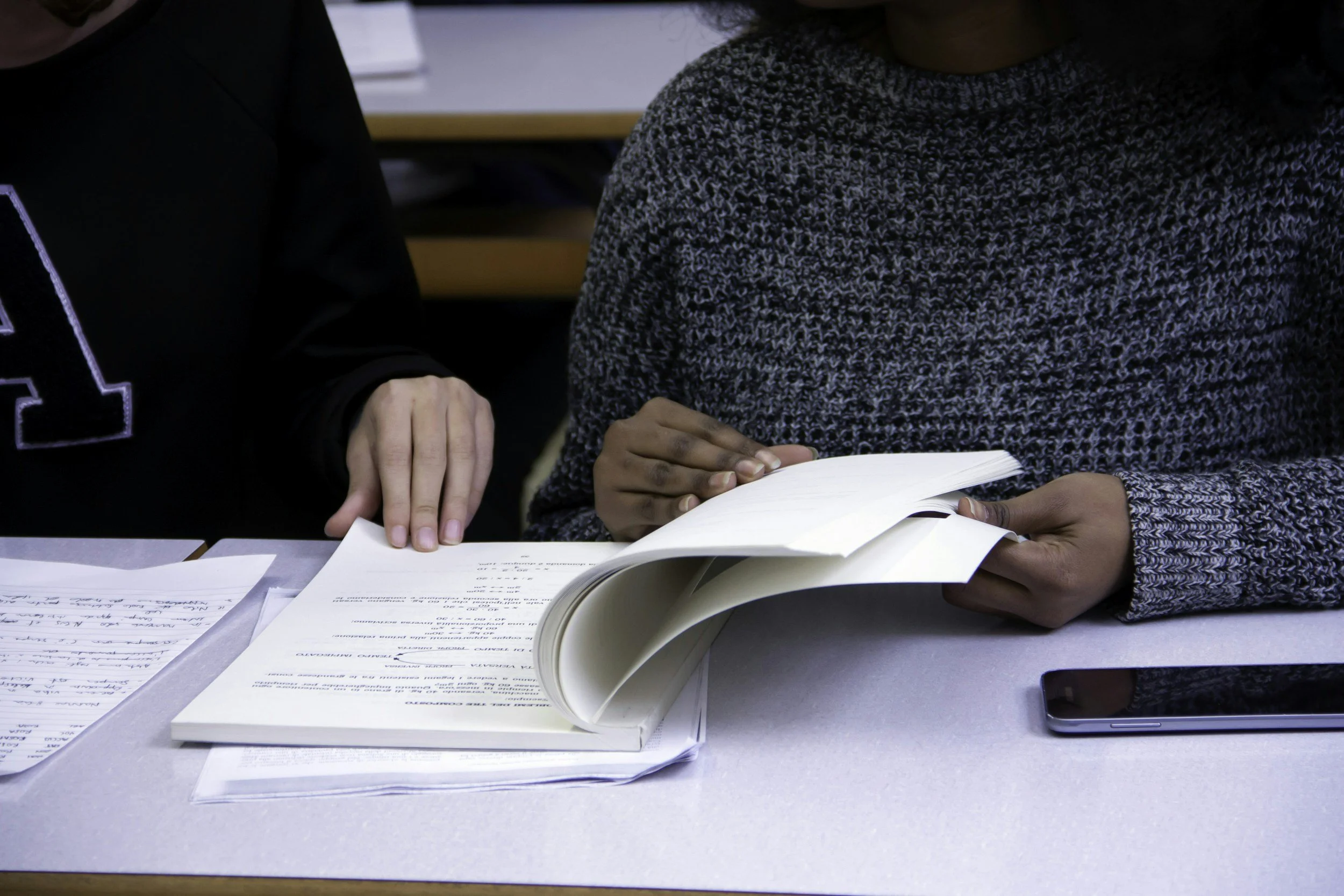
Examinations are a significant and inevitable component of a student's academic journey, particularly during the GCSE and A-Level years. The pressure to succeed in Science and Maths examinations can pose challenges to many students. But with the correct preparation strategies, they can overcome these challenges and confidently tackle their exams. As a premier provider of Science and Maths tutoring for GCSE and A-Level students in Aylesbury, we understand the impact of thorough and effective exam preparation on a student's academic success and overall well-being.
In this article, we will delve into the art of examination preparation for GCSE and A-Level Science and Maths students. We will share essential strategies and techniques to help your child approach their exams with confidence and ease. This includes tips for organising study materials, managing study time effectively, staying focused on the task at hand, and maintaining a healthy work-life balance. Additionally, we will explore how our expert tutoring can assist students in developing the skills and techniques required for successful exam preparation.
Embark on a journey to empower your child with tried-and-tested examination strategies that will enable them to approach their GCSE and A-Level Science and Maths exams with confidence and determination. Learn how our expert tutoring services can provide the support, guidance and techniques needed for successful exam preparation, ensuring that your child achieves the highest possible results.
Set your child on the path to examination success by enrolling them in our outstanding GCSE and A-Level Science and Maths tutoring programme, where they will receive expert guidance and support to excel in their exams.
Efficient Organisation: Streamline Study Materials for Smooth Revision
One of the crucial aspects of exam preparation is efficient organisation of study materials. In this section, we will explore some techniques that can help GCSE and A-Level Science and Maths students systematise their resources:
1. Condense Information: Encourage students to summarise complex topics and concepts into succinct notes, using bullet points, diagrams, or mind maps. These concise notes can help in quick revision and reinforce their understanding of core concepts.
2. Categorise Materials: Create separate folders or files for each subject and organise study materials, including lecture notes, textbooks, past exam papers, and digital resources. This categorisation will facilitate easy retrieval of materials during revision time.
3. Prioritise Topics: Help students identify areas in which they need additional support or revision and create a priority list for their studies. This approach will ensure they dedicate adequate time to grasping more challenging parts of the syllabus.
Time Management: Maximise Productivity with Effective Techniques
Time management is essential during the revision period, especially for GCSE and A-Level Science and Maths students. Let's discuss some strategies that can optimise their study time:
1. Create a Revision Timetable: Develop a structured schedule that allocates time for each topic or subject, along with scheduled breaks. Stick to the timetable to maintain focus, momentum, and a sense of control.
2. Integrate Time Management Techniques: Encourage students to explore various time management methods, such as the Pomodoro Technique or the Time Blocking method, to find what works best for their study style and increase their efficiency.
3. Regularly Assess Progress: Periodically review students' progress with mock exams or quizzes to ensure they cover all topics and address any areas needing further revision.
Stay Focused: Minimise Distractions and Enhance Concentration
Eliminating distractions and maintaining focus during revision can significantly improve exam performance. Here are some tips to help GCSE and A-Level Science and Maths students stay focused:
1. Create a Dedicated Study Space: Designate a quiet, clutter-free area solely for exam preparation, ensuring a comfortable and distraction-free environment.
2. Manage Devices: Encourage students to turn off notifications on their electronic devices or use apps that block access to social media during study time to minimise digital distractions.
3. Customise Study Sessions: Tailor study sessions to suit each student's preferences, such as incorporating background music or white noise to enhance focus, or utilising different learning techniques, like visual aids or practical experiments.
Finding Balance: Nurturing the Mind and Body for Optimal Performance
Maintaining a healthy work-life balance is vital for reducing stress and achieving success in exams. Here are some suggestions for GCSE and A-Level Science and Maths students to strike the right balance:
1. Take Regular Breaks: Encourage students to schedule short breaks within their revision timetable to rest their minds, recharge their energy, and maintain a fresh outlook.
2. Prioritise Physical and Mental Health: Exercise, a nutritious diet, and sufficient sleep are fundamental for maintaining physical and mental well-being during periods of high-pressure academic demands.
3. Incorporate Relaxation Techniques: Teach students to incorporate mindfulness practices, such as deep breathing exercises and meditation, to reduce stress and remain calm during the revision period.
Conclusion
Mastering the art of examination preparation is an essential skill for GCSE and A-Level Science and Maths students. By adopting effective organisation techniques, efficient time management strategies, and a focus on maintaining mental and physical health, students can approach their exams with confidence and the tools needed to succeed. Our expert tutors provide personalised guidance and support throughout the revision period, equipping students with the knowledge, resources, and techniques required for outstanding exam performance.
Help your child excel in their GCSE and A-Level Science and Maths examinations by enrolling them in our top-notch tutoring programme. Our experienced GCSE tutors will provide the support and strategies necessary for a successful and stress-free revision experience.